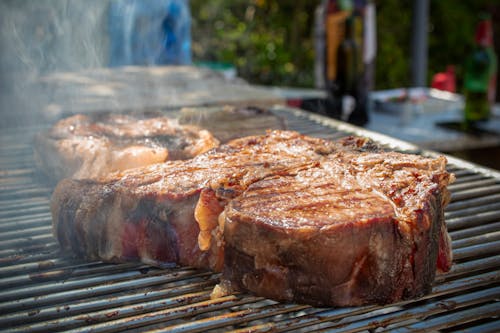
photo credit: Regine Tommasi / Pexels
Key Takeaways
- Choosing a high-quality steak and properly seasoning it are essential first steps for successful grilling.
- Allowing steak to reach room temperature before cooking helps it cook more evenly.
- Preheating and oiling the grill grates improve cooking performance and reduce sticking.
- Using both direct and indirect heat helps achieve a flavorful sear while preventing overcooking.
- Resting steak after grilling allows juices to redistribute and improves texture and flavor.
Henry King is a London legal practitioner whose work focuses on costs law, insurance, personal injury, employment law, and commercial disputes. Drawing on more than seven years of experience, he advises on high-value claims, negotiates settlements, and represents both receiving and paying parties in costs litigation. His background also includes legal support roles before practice, volunteer teaching in China, and health education work in rural Nepal. Outside his legal career, Mr. King places a premium on health and fitness, having completed the Royal Parks and Strasbourg half marathons while training toward a full marathon.
That practical interest in active living provides a fitting context for an article focused on preparing a satisfying steak at home, with attention to preparation, equipment, temperature, timing, and resting.
A Few Tips for Grilling the Perfect Steak
Individuals who have purchased a new grill can experiment with barbecue recipes for many different meals, including steak. Grilling the perfect steak can prove challenging for first-timers, but a few basic tips can increase the chances of success.
To begin, the quality of steak is hugely important. After securing a worthy steak, individuals must effectivelydry brine and then climatize the meat before cooking. Dry brining is a process where the meat is left to sit, refrigerated covered in 1% salt by weight (I use Malden). Both sides should be dry brined. Adding pepper and other seasonings such as garlic powder and onion powder works well. Experimenting with preferred seasoning methods is one of the best ways to develop a custom steak recipe.
Climatizing is a process that allows the steak to warm up to room temperature. The closer the entire steak is to room temperature, the easier it will be for a person to cook the meat evenly. Climatizing is arguably the easiest part of the grilling process and simply involves setting the meat on a plate outside of the refrigerator for between 30 minutes and an hour.
When it comes to the perfectly barbecued steak, individuals should not overlook the importance of preparing the equipment as well as the meat. For instance, experts always advise that people oil the grill grates as opposed to the steaks. Applying oil to the grates reduces the risk of the meat sticking to a hot grill while cooking. For the best results, individuals can oil the grates using tongs and a rolled-up paper towel dipped in vegetable oil. Alternatively, grill sprays are equally effective, though they can cause flare-ups.
Once the meat and grill are properly prepared, the grill needs to get to the right temperature. Individuals must never apply the steaks to a grill that is still warming up. Different meats and recipes may call for different temperatures, but generally speaking, grills should reach a pre-heated temperature of between 232 and 260 degrees Celsius. Again, this temperature range can vary based on many factors, including the thickness of the steak.
While grilling, a person should first sear the steaks using the hot side of the grill, then move the steaks to an area of indirect heat to finish. Gauging when a steak is ready for flipping and finished is arguably the most nuanced aspect of grilling the perfect steak. Inexperienced cooks can get a hang of this process by adhering to the 60/40 rule, which means 60 percent of the cooking time should go to the first side, followed by 40 percent of the time after the flip. With proper preparation, a steak of 2.5 centimeters should take between three and four minutes per side.
Although individuals may feel nervous while preparing their first stakes on the grill, it is important to keep the lid of the grill shut for the duration. A meat thermometer is an invaluable tool for grilling steaks, especially when it comes to determining how the steak is cooked. A rare steak should have an internal temperature of about 49 degrees, compared to a well-done steak, which can have an internal temperature exceeding 71 degrees.
As a final tip, individuals should take their steaks off the grill when they are a few degrees under the desired temperature and place the meat on a plate covered with foil. As the meat rests for five to 10 minutes, the steaks will rise to the desired temperature as the juices distribute evenly.
FAQs
What is dry brining and why is it important for steak?
Dry brining involves seasoning the steak with salt and allowing it to rest in the refrigerator before cooking. This process helps improve flavor, moisture retention, and the overall texture of the meat.
Why should steak be brought to room temperature before grilling?
Allowing steak to warm slightly before grilling helps it cook more evenly from edge to center. A colder steak is more likely to cook unevenly, leaving the inside undercooked while the outside becomes overdone.
Why is it better to oil grill grates instead of the steak itself?
Oiling the grill grates helps prevent the steak from sticking to the hot cooking surface. This method also reduces the chance of uneven searing and makes flipping the steak easier during grilling.
What grill temperature is recommended for cooking steak?
Most steaks cook well on a grill preheated to between 232 and 260 degrees Celsius. The exact temperature can vary depending on the steak’s thickness and the preferred level of doneness.
Why is a meat thermometer useful when grilling steak?
A meat thermometer helps ensure the steak reaches the desired internal temperature without overcooking. It provides more accuracy than relying only on cooking time or visual appearance.
Why should steak rest after being removed from the grill?
Resting allows the juices inside the steak to redistribute evenly throughout the meat. This process improves tenderness, moisture, and overall flavor when the steak is sliced and served.
About Henry King
A London legal practitioner focused on costs law, insurance, personal injury, employment law, and commercial matters, Mr. King advises and negotiates settlements in high-value claims. He has represented clients in disputes involving commercial suppliers, contractors, insurance companies, and personal injury matters. Ranked in the Legal 500 2025 for Costs Litigation, he earned an LLB in law with French law and language from the University of Leicester.