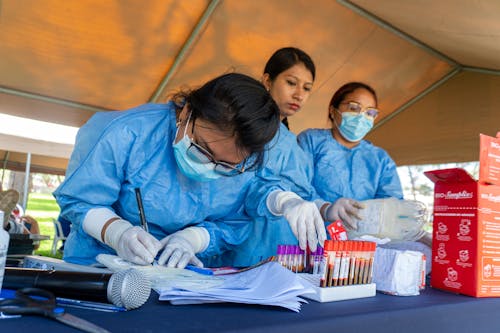
photo credit: Manuel Camacho-Navarro / Pexels
Key Takeaways
- Successful service trips require a thorough understanding of a community’s needs, infrastructure, and long-term health care challenges before any project begins.
- Location and accessibility are critical factors, as transportation barriers can significantly affect a clinic’s ability to serve residents.
- Reliable infrastructure, including electricity, clean water, and supply systems, is essential for safe and effective health care delivery.
- Community involvement helps ensure that services align with local needs, cultural practices, and existing health care resources.
- Sustainable clinics depend on ongoing management, clear accountability, and realistic service goals rather than one-time volunteer efforts.
Based in Northbrook, Illinois, Genevieve Mar founded M-G Financial in 1995 and has built a career providing wealth advisory and insurance services tailored to the needs of individuals and families. She also serves as an associate wealth advisor with Berthel Fisher and Company Financial Services, Inc., and has held previous banking and administrative roles in Canada and Illinois. With academic credentials in biochemistry and finance, along with multiple securities and insurance licenses, she brings extensive experience in planning, organization, and long-term decision-making.
Those skills align closely with the considerations involved in preparing for community-focused initiatives, including understanding local needs, infrastructure, and service requirements before participating in a service trip.
Key Things to Know About a Community Before a Service Trip
Planning a health clinic in a rural village involves more than choosing a site or sending donated supplies. The real task is preparing a clinic to deliver basic services safely and consistently over time. In plain terms, a rural health clinic is a local place where residents can receive primary care closer to home instead of traveling long distances for care. For that reason, planners need to address access, staffing, medicines, utilities, referral links, and local management early.
Location is one of the first major decisions because it determines whether people can reach the clinic at all. Planners need to consider where residents live, how they travel, and whether the route stays usable in different seasons. A clinic near a road that becomes hard to use during heavy rains may serve fewer people than expected, even if builders finish the structure on time.
?Planners need to secure basic infrastructure before services begin. Staff need dependable electricity for lighting and equipment that relies on stable power, while patients and workers need clean water for handwashing, cleaning, and routine care. A clinic that opens without those conditions begins operations with clear safety and service limits. Staff cannot store temperature-sensitive medicines safely without reliable power.
Staffing needs equally careful planning. One clinic may depend on a nurse, a visiting clinician, a community health worker, and support staff who handle intake, records, and cleaning. Planners should define those roles clearly so each worker knows what to do inside the clinic and which cases require referral or added support.
?Medicines and supplies need a plan beyond opening day. Essential medicines, gloves, dressings, disinfectant, and other routine items need safe storage, clear organization, and reliable replacement. Without a workable resupply process, staff may delay treatment, reduce services, or ask patients to return for care that the clinic expected to provide.
?Patient flow inside and beyond the clinic needs clear planning. Once a patient arrives, staff need a workable process for intake, assessment, treatment, and referral when the clinic cannot manage the case on site. Referral means sending a patient to a larger facility for care that the village clinic cannot provide. A good plan should identify that pathway early.
?Those service decisions need local input before the clinic opens. Village leaders, local health officials, and community members often understand common health needs, travel patterns, and daily routines better than outside planners do. Their involvement helps planners match services to local demand and align the clinic with community routines.
A strong plan also needs a clear starting scope. A rural clinic does not need to offer every service at once to become useful. Planning should identify which core services staff can provide safely and reliably first, and which additional services should wait until the clinic has stable staffing, steady supplies, dependable infrastructure, and clear referral routines.
Once services begin, management routines matter as much as the first setup decisions. A clinic manager, local health administrator, or designated oversight group needs a regular process for reviewing operations, tracking gaps, and assigning responsibility for follow-through. Monitoring and accountability help keep maintenance, cleaning, supply replacement, and basic service conditions reliable.
A well-planned clinic gives village residents a dependable place to seek care. When local health leaders can manage services, adjust routines, and add services carefully, the clinic becomes part of the village’s care pathway rather than a stand-alone project. That shift helps the community rely less on one-time outside effort and more on a care point that the community can keep using over time.
FAQs
Why is community research important before a service trip?
Understanding the community helps organizers identify local needs, available resources, and potential challenges. This preparation increases the likelihood that the project will provide meaningful and lasting benefits.
What infrastructure should be evaluated before opening a rural health clinic?
Planners should assess access to electricity, clean water, transportation routes, and communication systems. These essentials directly affect patient safety, medical services, and daily clinic operations.
Why is local input important when planning community health services?
Local leaders and residents often have the best understanding of common health concerns, travel patterns, and community priorities. Their involvement helps ensure that services are relevant and sustainable.
What is a referral system in a rural clinic?
A referral system allows patients to be transferred to larger facilities when specialized care is needed. Establishing referral pathways helps ensure that patients receive appropriate treatment beyond the clinic’s capabilities.
How can a service project remain sustainable after volunteers leave?
Sustainability depends on local management, reliable staffing, supply replenishment plans, and ongoing oversight. Projects that build local capacity are more likely to provide lasting value to the community.
About Genevieve Mar
Genevieve Mar is the founder of M-G Financial in Northbrook, Illinois, where she has provided wealth advisory and insurance services since 1995. She also serves as an associate wealth advisor with Berthel Fisher and Company Financial Services, Inc. Her background includes banking roles with Canada Trust and the Hong Kong Bank of Canada, as well as administrative and insurance experience. She holds degrees from the University of British Columbia and Simon Fraser University and maintains multiple securities and insurance licenses.