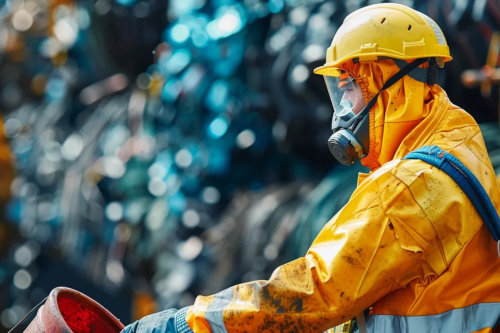
Hazardous Waste Disposal: Mitigating The Impact

Hazardous waste disposal

Key Takeaways

  • Improper hazardous waste disposal threatens environmental and human health because toxic materials can contaminate soil, air, and water while contributing to serious illnesses and ecosystem damage.
  • Hazardous waste includes flammable, corrosive, reactive, or toxic substances that come from industrial processes as well as common household products like batteries, paint, and cleaning chemicals.
  • Regulations such as the Resource Conservation and Recovery Act establish strict guidelines for how hazardous waste must be generated, transported, stored, treated, and disposed of safely.
  • Effective waste management relies on best practices including waste reduction, proper labeling and segregation, safe transportation, and disposal at licensed treatment facilities.
Continue reading

PBTT Corp: Circular Manufacturing Strategies for Waste Reduction

Circular manufacturing

Key Takeaways

  • Circular manufacturing replaces the traditional linear model with closed-loop systems focused on reuse, recycling, and material longevity.
  • Designing products for durability, modularity, and recyclability increases opportunities for refurbishment and reduces end-of-life waste.
  • Reclaiming scrap and reintegrating materials into production lowers costs while decreasing reliance on virgin resources.
  • Process optimization, including lean principles and material-flow tracking, improves efficiency and environmental performance simultaneously.
  • Adopting circular strategies enhances brand reputation, strengthens supply-chain resilience, and creates new revenue opportunities.
Continue reading

Small Business, Big Impact: Planning for Effective Waste Management and a Greener Future

The management of waste has emerged as a pressing issue that has an impact on the business’s sustainability as well as the surrounding environment. As a result, maintaining a healthy ecosystem and minimizing the negative impact of waste on our planet necessitates an efficient waste management system.

Waste management

Waste management is of utmost importance for businesses, regardless of their size.  They will not only be able to comply with regulations and avoid legal penalties, but they will also have the chance to cut costs, improve their brand’s reputation, and show that they are socially responsible.

Small businesses also play a significant role in contributing to a greener future, whereas large corporations frequently have dedicated resources and expertise for waste management.…

Continue reading

Poop Pollution: 4 Reasons Businesses Should Be Concerned About It

No businessperson wants to worry about poop. Out of all the things entrepreneurs and startups think about, poop’s impact on the environment is often at the bottom of the list, because it’s not a sexy or exciting topic. Commercial septic tanks and wastewater reduction just aren’t business buzzwords in the same way that disruptive innovation or work-life balance are.

Poop pollution

So, while many businesses are rightly concerned by the impact they have on the environment, not enough businesses are considering the issue of poop pollution. However, they really should be, and here are a few reasons why.

1. The Wastewater The Average Business Produces Is Astronomical

The maths don’t lie.…

Continue reading

The Best Waste Minimisation Strategies for New Businesses

Here is a guide on how a new business can identify ways to reduce waste and create a new strategy for waste minimisation.

Create a strategy to reduce business waste

Reducing the amount of waste your business generates isn’t just great for the environment, it could also save your business a substantial amount of money. An effective waste minimisation strategy will look at your entire business and identify the areas that you will need to reduce waste.

The First Step- Conducting a Waste Audit

Firstly, walk around the premises, noting down the the costs and quantities of any waste you see.…

Continue reading