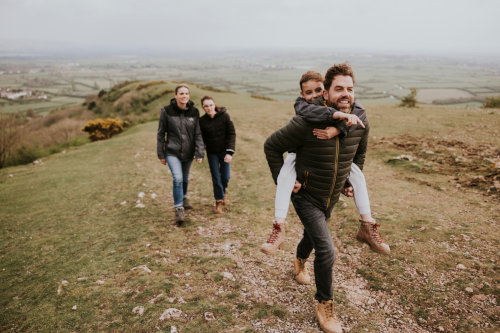
Key Takeaways
- Children can start hiking at almost any age, but trails should match their physical ability and interests.
- Frequent breaks, hydration, and healthy snacks are essential for keeping young hikers comfortable and energized.
- Combining hikes with activities like swimming makes trips more enjoyable and helps manage heat and fatigue.
- Giving children leadership roles on the trail builds confidence, responsibility, and engagement with nature.
- Proper preparation, including sun protection, suitable clothing, and a first-aid kit, is critical for safety.
Camp Quinebarge is a long-standing summer camp located on the shores of Lake Kanasatka in Moultonborough, New Hampshire, where it has operated since 1936. Known for its focus on kindness, friendship, and outdoor engagement, Camp Quinebarge serves children ages 6 to 16 in a co-educational setting. Over nearly nine decades, the camp has evolved into what many describe as a quintessential New England summer camp, offering a wide range of activities that encourage personal growth, confidence, and connection to nature.
The camp’s 70-acre wooded and lakefront property provides an ideal environment for outdoor pursuits such as hiking, swimming, boating, and camping. Hiking, in particular, plays an important role in introducing children to physical activity, teamwork, and environmental awareness. Drawing on its extensive experience guiding young people through outdoor activities, Camp Quinebarge emphasizes thoughtful planning and safety when leading children on hiking excursions, helping ensure that the experience is both enjoyable and developmentally appropriate.
A Few Tips for Hiking with Children
Hiking provides children with many physical and mental health benefits. According to America’s National Park Service, hiking helps kids develop stronger muscles and bones, improves heart health, reduces anxiety and stress, and can lower a person’s risk of depression, among many additional benefits. However, individuals must adhere to several guidelines in order to stay safe while hiking, especially when hitting the trail with young hikers.
To start, whether a person is a parent, family member, or camp counselor, they should know that children can begin hiking at almost any age. That said, leaders should develop hikes with their core group’s physical abilities and interests in mind. Very young hikers, for example, might benefit from very short excursions that provide opportunities for interactive nature lessons, while teenagers can take on more physically challenging trails.
Regardless of a hiker’s age, older trail leaders should plan on stopping much more frequently when traveling with young hikers, especially during the warm summer months. Of course, sitting on the side of the trail will typically lead to boredom. Hikers can use rests for many unique pastimes, such as taking pictures, exploring the surrounding environment, or using hiking apps to update the group about their progress.
Children may also want to drink water or replenish with a healthy snack while resting. Trail leaders should always pack enough food when traveling with a group of young hikers. It is especially important to pack healthy snacks for children, such as fruit, granola bars, and trail mix.
Augmenting hiking trips with other outdoor activities, such as swimming, provides opportunities for extra fun. Summer camps that offer lake and mountain access can schedule hikes that end with a lake party or feature a river rest midway through. Water access is not just a fun add-on to hikes, but can provide relief from the summer heat for kids hiking on hot days.
Family members and camp leaders must always prioritize child safety when hiking. That said, adults should give younger hikers the chance to lead whenever possible. Challenging children and teenagers to find and follow a hiking trail, navigate obstacles, and identify points of interest can help them fall in love with the outdoors, in addition to fostering a sense of responsibility and self-confidence. Similarly, adult hikers should demonstrate patience when hiking with young children, who may tire out or become distracted by wildlife or trail features.
Hiking is a peaceful, often awe-inspiring activity, but these benefits do not always immediately impact adolescent and teenage hikers. With this in mind, adults should consider developing games to spice up longer hikes. A few common examples include I Spy, scavenger hunts, or racing ahead to the next trail marker, assuming the terrain is safe enough.
In addition to packing the right amount of health food, adult hikers should ensure that all young members of a hiking group are dressed for the weather and terrain. Sun protection is also important, including sunscreen and hats, even when hiking in shady forests. A first-aid kit is another hiking essential for explorers of all ages.
Last but not least, hike leaders should understand that they can turn back if they need to. It is important for all hikers to recognize their limits and avoid overcommitting to an exceptionally challenging hike or hiking during unsafe conditions. This tip is especially important when the group includes young hikers.
FAQs
At what age can children start hiking?
Children can begin hiking at almost any age, but routes should be short, safe, and designed around their physical abilities, attention span, and interests.
How long should hikes be for young children?
Hikes for young children should be short and flexible, with frequent breaks and opportunities for exploration, rest, and simple activities along the way.
What should adults pack when hiking with children?
Adults should pack plenty of water, healthy snacks, sun protection, appropriate clothing, and a basic first-aid kit to handle minor issues on the trail.
How can adults keep children engaged during hikes?
Games like scavenger hunts, I Spy, or racing to trail markers, along with letting kids explore and lead, can make hikes more fun and interactive.
When should a hiking group turn back?
A group should turn back if children show signs of exhaustion, conditions become unsafe, or the hike proves more difficult than expected.
About Camp Quinebarge
Camp Quinebarge is a youth summer camp in Moultonborough, New Hampshire, operating since 1936 on Lake Kanasatka. Serving children ages 6 to 16, the camp emphasizes kindness, friendship, and outdoor engagement through activities such as hiking, boating, swimming, arts and crafts, and camping. Camp Quinebarge is affiliated with organizations including the American Camp Association and the New Hampshire Camp Directors Association and supports local community partners throughout the Lakes Region.