Kathleen Campbell Davis: Benefits of Settling Civil Cases Out of Court

Civil case settlement

photo credit: Pavel Danilyuk / Pexels

Key Takeaways

  • Settling civil cases out of court can significantly reduce legal expenses by avoiding the prolonged costs associated with litigation, court filings, and extended attorney involvement.
  • Alternative dispute resolution methods such as negotiation and mediation often resolve conflicts faster than traditional court proceedings, allowing parties to move forward more quickly.
  • Out-of-court settlements provide greater control over outcomes by enabling both parties to negotiate mutually acceptable terms rather than relying on a judge or jury decision.
  • Confidential settlement agreements help protect sensitive personal, financial, or business information from becoming part of the public record.
  • Settlement agreements can preserve professional and personal relationships while offering flexible, customized solutions that address the unique needs of each dispute.

Continue reading

How a Work Accident Calculator Can Uncover Lost Wages

Work accident calculator

photo credit: Dione Neris / Pexels (edited)

Key Takeaways

  • A work accident calculator helps injured workers identify lost income beyond basic missed wages, including overtime, bonuses, and future earning reductions.
  • Workplace injuries can lead to long-term financial consequences such as reduced work hours, delayed promotions, and career setbacks.
  • Accurate wage tracking and compensation estimates can support stronger workers’ compensation or insurance claims.
  • Common workplace accidents such as falls, vehicle crashes, repetitive strain injuries, and falling objects frequently contribute to extended wage losses.
  • Using organized financial calculations can reduce stress during recovery by helping workers better understand and document their financial situation.
Continue reading

Sohan Dasgupta: Understanding How Sanctions Shape the Global Economy

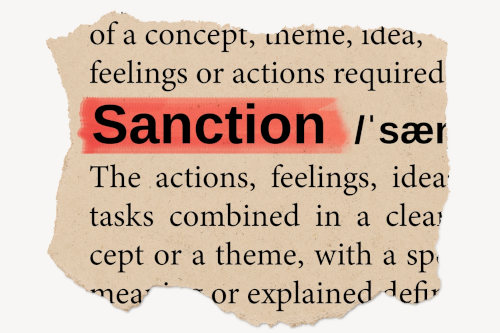
Sanction

photo credit: Rawpixel.com

Key Takeaways

  • Economic sanctions are used by governments and international organizations to influence behavior through financial and trade restrictions.
  • Sanctions can disrupt supply chains, capital flows, commodity markets, and access to global financial systems.
  • Targeted economies often respond by diversifying trade partners, increasing domestic production, or adopting alternative payment systems.
  • Sanctions may also create unintended economic consequences for businesses, investors, and third-country economies.
  • Over time, sanctions can accelerate broader shifts toward regionalization, financial diversification, and geopolitical risk management.
Continue reading

The Architecture of Manipulation: When Marketing Technology Becomes a Legal Liability

Dark patterns

photo credit: www.kaboompics.com / Pexels

Key Takeaways

  • Modern marketing has evolved into a data-driven system that can influence consumer decisions at a highly granular level.
  • Dark patterns are designed to manipulate user behavior, often leading to unintended purchases or difficult-to-cancel subscriptions.
  • These practices may generate short-term profits but are increasingly attracting regulatory scrutiny and legal consequences.
  • The distinction between legitimate marketing and consumer fraud depends on transparency, intent, and informed consent.
  • As technology advances, businesses must balance optimization strategies with ethical responsibility and legal compliance.
Continue reading

Ellis Abramson: Important Boating Rules and Regulations for Safer Time on the Water

Boating

photo credit: Sayan Samanta / Pexels

Key Takeaways

  • Boating safety begins with understanding and following local, state, and federal regulations, which can vary by location.
  • Basic navigation rules, such as maintaining safe speed, keeping a proper lookout, and yielding appropriately, are essential for preventing accidents.
  • All boats must carry required safety equipment, including life jackets, signaling devices, and fire extinguishers, depending on vessel type and size.
  • Boating under the influence is illegal and significantly increases the risk of accidents and injuries on the water.
  • Completing a boating education course can improve safety awareness and is often required to obtain a boating license.
Continue reading

Sohan Dasgupta: How Government Inquiries Move from Investigation to Reform

Government inquiries

photo credit: Werner Pfennig / Pexels

Key Takeaways

  • Government inquiries are formal mechanisms used to investigate major public issues and restore trust through verified facts.
  • They follow a structured process: establishment, investigation, analysis, and publication with recommendations.
  • Independence, transparency, and procedural fairness are essential to maintaining credibility and legitimacy.
  • Inquiries do not enforce laws but influence reform through detailed findings and policy recommendations.
  • Implementation depends on government action, including legislation, regulation, and resource allocation.
  • Despite challenges like cost and time, inquiries play a critical role in turning uncertainty into actionable reform.
Continue reading

Leor Kweller: Understanding the Ethical Rules That Govern Legal Practice

Personal lawyer

Key Takeaways

  • Legal ethics provide the foundation for trust, accountability, and professionalism in the legal system.
  • Confidentiality is a core obligation that protects client information and encourages open communication.
  • Avoiding conflicts of interest ensures lawyers act in the best interests of their clients at all times.
  • Competence and diligence are essential standards that guide how lawyers handle cases and clients.
  • Ethical compliance safeguards both the integrity of the profession and public confidence in legal systems.
Continue reading

Martin J. Milita: Responsibilities of Lobbyists During a Legislative Session Explained

Lobbyists in legislative session

photo credit: Vitaly Gariev / Pexels

Key Takeaways

  • Lobbyists are responsible for conducting and supporting lobbying contacts while complying with federal disclosure and registration requirements.
  • The Lobbying Disclosure Act defines both lobbying activities and who qualifies as a lobbyist based on time and compensation thresholds.
  • Tracking legislation through official sources like Congress.gov is essential for monitoring bill progress and updates.
  • Committee hearings and markup sessions are critical stages where legislation is reviewed, debated, and amended before advancing.
  • Effective lobbying requires coordination with legislative staff and close attention to official records and procedural developments.
Continue reading

The Limits of Liability: Understanding “Assumed Risk” in Adult Sports

Sports injury liabilities

photo credit: Anastasia Shuraeva / Pexels

Key Takeaways

  • The legal doctrine of “assumption of risk” generally protects leagues and participants from liability for injuries inherent to sports.
  • Injuries caused by normal gameplay, such as collisions or accidental contact, are typically not grounds for legal action.
  • Liability may arise when injuries result from reckless behavior or actions that go beyond the rules of the sport.
  • Facility owners and organizers have a duty to maintain safe conditions and can be held responsible for negligence.
  • Understanding the difference between inherent risk and negligence is key to determining if legal action is justified.
Continue reading

Robert Palley: Understanding Condo Deconversion in Today’s Real Estate Market

Condo deconversion

photo credit: Jacoby Clarke / Pexels

Key Takeaways

  • Condo deconversion involves purchasing an entire condominium building and converting it into a single-owner rental property.
  • The process typically requires a majority vote from unit owners, with thresholds varying by state and city regulations.
  • Rising rental demand in urban markets is a major driver behind the growing popularity of condo deconversions.
  • Investors often prefer deconversions over new construction due to lower costs, faster timelines, and reduced complexity.
  • High maintenance costs and aging infrastructure are pushing many condo owners to consider bulk sales as a practical exit strategy.
Continue reading