In a country celebrated for its art, fashion, and cuisine, a curious phenomenon is unfolding—one that challenges traditional career aspirations. In Italy, many people are increasingly choosing to become taxi drivers instead of climbing the corporate ladder to become CEOs. While it may seem counterintuitive in a world obsessed with titles and LinkedIn status updates, the Italian context offers a surprising perspective that redefines what success truly means.
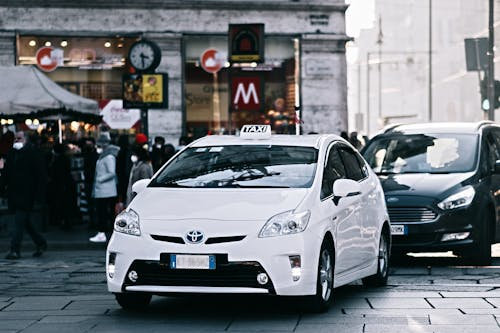
photo credit: Lorenzo Alessio Messina / Pexels
This case study dives into the reasons behind this shift, exploring economic, social, and psychological factors that are reshaping Italy’s professional landscape.
The CEO Dream—Not What It Seems
Let’s start with the elephant in the room. In theory, becoming a CEO is the pinnacle of professional success. It suggests leadership, prestige, and often, financial wealth. But in practice—especially in Italy—being a CEO doesn’t always translate to freedom or financial security.
According to Il Sole 24 Ore, Italy ranks among the countries with the highest tax burdens on business income. CEOs of small-to-medium enterprises (SMEs)—which dominate the Italian economy—face overwhelming bureaucracy, endless paperwork, and a legal system that can drag disputes out for years. The dream becomes a logistical nightmare.
Add to this the fact that many Italian CEOs work longer hours, endure higher stress levels, and receive less take-home income (after taxes and business costs) than expected, and the role becomes significantly less glamorous.
Taxi Drivers: A Different Kind of Rich
In contrast, taxi drivers in Italy—especially in cities like Rome, Milan, and Florence—enjoy a stable income, flexible hours, and most importantly, autonomy. While their work is not easy, it comes without the layers of corporate politics or legal risks that burden CEOs.
Consider this: in Rome, a taxi driver with a city-issued license and a strong work ethic can earn €3,000 to €5,000 a month—sometimes more during tourist season. Their expenses are predictable (fuel, maintenance, car depreciation), and they can decide when and how much to work. This balance gives them something far more valuable than status: peace of mind.
Bureaucracy: Italy’s Hidden Boss
One cannot fully understand this trend without examining the Italian bureaucracy. Italy is notorious for its red tape. Starting or running a business involves mountains of paperwork, complex labor laws, and slow-moving administrative systems. Even getting paid on time can be a challenge, as late invoice payments are commonplace.
By comparison, driving a taxi is relatively straightforward. There are challenges—getting a license can be expensive and competitive—but once you’re in, the daily operations are simple. No HR headaches. No legal compliance audits. No chasing unpaid invoices from clients. For many, this simplicity is the ultimate luxury.
The Rise of “Work-Life Sovereignty”
We often talk about work-life balance. But what we’re seeing in Italy is a deeper craving for work-life sovereignty—the ability to dictate the terms of your own labor. In an era where burnout and mental health issues are rising, Italians are rethinking what matters.
Why work 80 hours a week to impress a boardroom when you can earn a decent living, enjoy your espresso in peace, and still make it home for dinner?
This isn’t just a generational shift; older Italians are also opting out of high-pressure roles. The trend reflects a cultural reevaluation of ambition itself, replacing the hustle culture with something slower, more meaningful, and—ironically—more productive in the long run.
Economic Insecurity and Generational Disillusionment
There’s another, more sobering aspect: economic insecurity. Italy’s youth unemployment rate remains high (over 20% in recent years), and many educated young adults feel disillusioned by the traditional career path. They’ve seen their parents work themselves into exhaustion for unstable or underpaid positions, only to be met with retirement uncertainty and minimal pensions.
So, some are saying no—opting instead for trades or gig economy roles that offer immediate, tangible returns. Driving a taxi may not impress on social media, but it pays the bills today. And in an unstable economy, that’s a winning proposition.
The Power of Local Economy and Tourism
Let’s not forget the role of Italy’s tourism-heavy economy. Over 60 million tourists visited the country annually before the pandemic—and numbers are back on the rise. For taxi drivers, this means a steady influx of paying customers year-round.
Additionally, apps like Uber (in limited capacities) have increased opportunities for drivers to pick up passengers, optimize routes, and increase efficiency. While Uber is heavily regulated or even banned in parts of Italy, traditional taxi drivers have adapted with their own local digital platforms.
These innovations further boost the appeal of the profession, turning what was once a blue-collar job into a tech-assisted, customer-driven business of its own.
Cultural Values: La Dolce Vita Still Matters
Italy is famous for its “la dolce vita” lifestyle—a philosophy of enjoying life, valuing time with family and friends, savoring meals, and not letting work define you.
For Italians, success isn’t just about titles and salaries. It’s about how you live. A taxi driver who enjoys a three-hour lunch, spends weekends in the countryside, and avoids corporate burnout may very well be seen as more successful than a CEO shackled to their inbox and married to stress.
This deeper cultural value system can’t be ignored. It colors how Italians view work—and shapes the decisions they make about their careers.
Global Implications: A Lesson for Other Countries?
What’s happening in Italy could serve as a wake-up call for other nations. As remote work, burnout, and corporate disillusionment spread worldwide, more people may begin to favor stability and control over prestige and pressure.
Italians are not rejecting hard work—they’re rejecting meaningless hard work. In doing so, they’re choosing roles that provide tangible rewards, daily autonomy, and a lifestyle that aligns with their values. That’s not laziness; that’s evolution.
Conclusion: Rethinking What It Means to Win
The image of the ambitious CEO still dominates pop culture, but Italy is painting a different picture—one where the “winner” isn’t always the one with the biggest office or the largest LinkedIn following.
Sometimes, the real winner is the person behind the wheel of a taxi, navigating not only the cobblestone streets of Florence but also the complex landscape of modern life—with a smile, a cappuccino, and full control of their time.