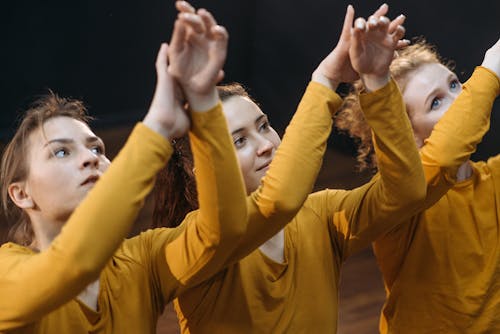
photo credt: Pavel Danilyuk / Pexels
Key Takeaways
- Physical fatigue in performing arts affects both physical performance and cognitive function, making effective management essential for sustainability.
- Long rehearsals, repetitive movements, performance pressure, and limited recovery time contribute significantly to fatigue in performers and creative teams.
- Mental fatigue can intensify physical exhaustion by increasing perceived difficulty and reducing focus and coordination.
- Repertory theater environments create additional strain because performers and creative teams constantly switch between productions and responsibilities.
- Structured scheduling, proper recovery, hydration, nutrition, and conditioning programs help reduce fatigue and support long-term performance health.
Olivia Hathaway Swanson has developed a multifaceted career in the performing arts through her work as a performer, choreographer, drama teacher, and creative leader. A graduate of Manhattanville College with degrees in theatre and communications, she has contributed to productions that require extensive collaboration, movement coordination, and careful rehearsal planning. Her professional experience includes choreographing multiple productions for the College Light Opera Company, assisting directors, and guiding performers through demanding rehearsal and performance schedules.
In addition to her production work, she teaches drama and performance techniques to children while creating lesson plans that encourage creativity and confidence. These combined experiences provide direct insight into the physical and mental demands placed on performers and creative teams in live entertainment environments.
Managing Physical Fatigue in Performers and Creative Teams
Physical fatigue is a common and persistent challenge in performing arts. Whether in dance, opera, musical production, or theater, performers and creative teams usually have to combine athleticism with artistry. They have to endure long rehearsal hours, performance pressure, and limited recovery time, which makes fatigue almost inevitable. Thus, sustainable excellence depends on fatigue management.
When thinking about physical fatigue, keep in mind that it goes beyond tiredness. It is a multifactorial psychophysiological condition that reduces the body’s ability to sustain performance, accompanied by decreased strength, slower reaction time, and impaired coordination. In the performing arts, repetitive movement patterns, extended rehearsal schedules with little to no rest, high-performance intensity during shows, and environmental stressors such as lighting, costumes, and stage conditions all contribute to fatigue. Fatigue impacts both physical performance and cognitive function.
It is important to manage fatigue before it causes serious injuries. Fatigue can reduce neuromuscular control, alter movement mechanics, and increase the possibility of overuse injuries. In dance and theater, where performers usually repeat the same movements several times a week, fatigue becomes a major contributor to chronic injuries. Also, fatigue-related performance decline might lead to compensatory movement patterns that eventually place excessive strain on joints and muscles. The mindset of having to “push through” exhaustion can lead performers to ignore early warning signs of injury.
Fatigue in performers is not always physical. Mental fatigue also amplifies physical fatigue. It creates a feedback loop that increases exhaustion. Mental fatigue can arise from the demands of sustained focus and precision, emotional investment in performance, and pressure from the audience, peers, and directors. When mental fatigue increases, performers perceive their tasks as more difficult, even when their physical capacity has not changed much.
Repertory theatre places unique and often underestimated demands on performers and creative teams. In these environments, teams develop and stage multiple productions simultaneously, which means individuals constantly shift among roles, choreography, and creative expectations. A performer may rehearse one show during the day and perform a completely different one in the evening, requiring rapid mental and physical adjustment. This constant switching creates both cognitive strain and physical fatigue, increasing the likelihood of mistakes and injuries. The pressure does not stop with performers.
Choreographers, directors, and stage managers also face long hours on their feet, frequent demonstrations of movement, and continuous decision-making under tight timelines. Fatigue becomes a shared experience across the entire production, making it a system-wide issue rather than an individual challenge.
Managing this level of fatigue starts with intentional and well-structured scheduling. Creative leaders must balance artistic ambition with physical limits by organizing rehearsals to alternate between high- and low-intensity work. Rotating demanding sessions with lighter ones allows the body time to recover while maintaining productivity. Limiting long, uninterrupted rehearsal blocks also helps reduce strain, especially in physically demanding productions. When teams build recovery time into the daily schedule, they create a more sustainable workflow. This approach, often referred to as load management, ensures performers can maintain consistency without reaching exhaustion.
Lastly, individuals should treat recovery itself as a core part of the creative process rather than an afterthought. Performers and team members need adequate sleep, consistent hydration, and proper nutrition to sustain energy and support recovery. Simple practices such as stretching, light movement, and rest periods between rehearsals can significantly reduce fatigue. In addition, strength and conditioning programs can improve endurance and resilience. Focusing on core stability, lower body strength, and flexibility prepares performers to handle the varied physical demands of different productions.
FAQs
What causes physical fatigue in performing arts teams?
Physical fatigue is commonly caused by long rehearsal schedules, repetitive movement patterns, performance demands, limited recovery time, and environmental stressors such as costumes, lighting, and stage conditions.
How does mental fatigue affect performers?
Mental fatigue can increase physical exhaustion by reducing concentration, slowing reaction times, and making physical tasks feel more difficult even when physical ability has not significantly changed.
Why is fatigue management important in theater and dance?
Proper fatigue management helps reduce the risk of injuries, maintain consistent performance quality, and support the long-term health and endurance of performers and creative teams.
What challenges exist in repertory theater environments?
Repertory theater often requires performers and production teams to rehearse and perform multiple productions simultaneously, creating constant physical and cognitive strain through rapid role and choreography changes.
How can performing arts teams reduce fatigue?
Teams can reduce fatigue by building recovery time into schedules, alternating high- and low-intensity rehearsals, maintaining hydration and nutrition, and incorporating strength, flexibility, and conditioning programs.
About Olivia Hathaway Swanson
Olivia Hathaway Swanson is a performing artist, choreographer, drama teacher, and creative professional with experience in theater and musical productions. She earned degrees in theatre and communications from Manhattanville College, along with minors in musical theatre and dance. Swanson became the youngest choreographer hired by the College Light Opera Company and later expanded her responsibilities into directing and creative leadership. Her work also includes teaching children drama and performance techniques through structured educational programming.