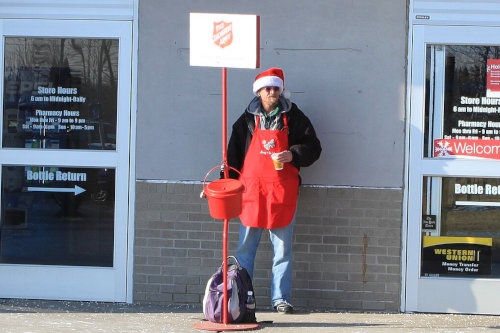
photo credit: Dwight Burdette / Wikimedia Commons / CC BY 3.0 – cropped (link)
Key Takeaways
- The Red Kettle bell-ringing tradition remains a visible and trusted part of small-town holiday seasons.
- Local volunteers and familiar locations help build credibility and encourage community participation.
- In-person kettles complement digital donations by fitting naturally into everyday errands.
- Funds raised through local kettles typically stay in the community to support essential services.
- Consistent volunteer coverage is crucial to keeping the campaign effective throughout the season.
Karl Kandt brings professional experience in workforce development, education, and community service that aligns closely with the civic traditions discussed in this article. Based in Kansas, Karl Kandt works with veterans and service members as an employment representative, supporting job searches, resume preparation, career planning, and interview readiness.
His background includes service as a vocational rehabilitation counselor with the Department of Veterans Affairs, as well as roles supporting students and alumni at Kansas State University and Wichita State University. In those positions, he provided academic guidance, career advising, and coordinated support services for diverse populations. Beyond his professional responsibilities, Mr. Kandt remains actively involved in community organizations, including the Manhattan Kansas Solar Kiwanis group and initiatives that benefit children and local families.
His long-standing engagement with service-oriented programs offers a practical perspective on why visible, place-based traditions like holiday bell ringing continue to resonate in small towns.
Why Holiday Bell Ringing Still Matters in Small Towns
Each winter, volunteers standing outside stores with red kettles and handbells remain a familiar part of the holiday season. Even as digital donation tools have expanded, this tradition continues in towns across the country. In small communities, The Salvation Army’s Red Kettle campaign still matters because its visibility in everyday places helps turn seasonal foot traffic into real-time support for local needs.
Bell ringing volunteers typically stand near store entrances, greet shoppers, ring a handbell, and invite passersby to donate currency or coins into a red metal kettle. Most shifts last about two hours. The role stays simple and public – a volunteer shows up for a scheduled shift, rings the bell, and helps keep a kettle from sitting empty.
The Salvation Army administers the Red Kettle campaign at the national level, while local Salvation Army sites manage volunteer sign-ups. Volunteers can choose time slots and locations near where they live, often using online registration tools. In many towns, families and community groups also volunteer together, helping fill more shifts throughout the season.
Once people commit to a shift, however, the challenge becomes ensuring enough coverage across the calendar. Online sign-up tools show which time slots are still open, which helps local coordinators see when and where to request more volunteers. When time slots go unfilled, a kettle can sit without a bell ringer, which limits what the campaign can raise in that window.
The campaign also relies on partnerships with retail chains that host bell ringers outside their entrances. National and local retail partners help place kettles outside thousands of storefronts. Those partnerships help ensure stores can host kettles during the season, which supports consistent public visibility for the campaign.
In small towns, the campaign benefits from appearing in the same public places with recognizable local volunteers. Because the kettles return season after season, the bell can feel like a reassuring part of the holiday season instead of a one-time fundraiser. That familiarity is one reason the tradition remains popular even when people have many other ways to donate. When people recognize both the setting and the volunteers, they are also more likely to view the campaign as credible and worth supporting.
Kettle donations support clearly defined local services. The Salvation Army describes Red Kettle giving as support for Christmas assistance and for essential year-round services such as food, shelter, emergency support, and other local programs that respond to people in need. The national campaign emphasizes that money raised through local kettles stays in the community where it is donated.
Despite the growth of online donation platforms, the Red Kettle model remains effective because it fits naturally into everyday errands. While The Salvation Army has reported increased digital donations, it continues to operate in-person kettles at storefronts. This combination is especially important in years when donations decline, but demand for essential services rises.
As new forms of fundraising evolve, the Red Kettle campaign shows that consistent, in-person giving still has a place, especially where local relationships matter most. For small towns, the value lies not just in the money raised, but in the way this tradition keeps volunteers visible and local needs acknowledged year after year. The bell offers a low-barrier way for a community to keep help within reach, one shift at a time, when neighbors need support and every gift counts.
FAQs
What is the Red Kettle bell-ringing campaign?
It is a seasonal fundraising effort by The Salvation Army where volunteers ring bells outside stores and collect donations in red kettles. The campaign supports local assistance programs such as food, shelter, and holiday aid.
Why does bell ringing still work in small towns?
In small communities, familiar locations and recognizable volunteers build trust and encourage giving. The tradition also feels like a recurring part of the holiday season rather than a one-time fundraiser.
How do volunteers sign up to participate?
Most local Salvation Army offices use online tools that allow volunteers to choose shifts and locations. Families, groups, and individuals can all participate and help fill open time slots.
Where does the money collected in the kettles go?
Donations are typically used to support services in the same community where the money is raised. These services can include holiday assistance, food programs, and emergency support.
Why is in-person fundraising still important despite online donations?
In-person kettles reach people during everyday errands and make giving easy and immediate. This visibility helps maintain consistent support, especially when local needs increase.
About Karl Kandt
Karl Kandt is a Kansas-based employment representative who works with veterans, disabled veterans, and service members on career development and job placement efforts. His professional background includes service as a vocational rehabilitation counselor with the Department of Veterans Affairs and roles supporting students and student athletes at Kansas State University and Wichita State University. Mr. Kandt holds degrees in communication, counselor education, and sports administration from Emporia State University and Wichita State University.
He is active in community service through the Manhattan Solar Kiwanis Club and maintains involvement with alumni and veteran organizations.