Key Takeaways
- Mountain ecosystems are fragile and recover slowly from human disturbance.
- Staying on marked trails helps protect vegetation, soil structure, and surrounding habitats.
- Proper waste management prevents pollution and ecological disruption in high-altitude environments.
- Respecting wildlife distance preserves natural behaviors and reduces stress on sensitive species.
- Education and conservation support extend individual impact into long-term ecosystem protection.
Alexandra Forrestall is a Calgary, Alberta-based professional with experience spanning talent recruitment, education, customer service, and animal care. Since 2022, Alexandra Forrestall has worked as a talent sourcer and junior recruiter, collaborating with hiring managers to identify and pre-qualify candidates while building effective talent pipelines. Her background also includes hands-on roles that reflect adaptability and responsibility, including work as a registered early childhood educator and as a dog handler, where she developed skills in care, training, and facility maintenance.
Alongside her professional career, Alexandra Forrestall maintains an active interest in outdoor recreation and community service. She enjoys hiking, volunteering, and exploring new environments, and she is a certified ski instructor. These interests connect naturally with broader conversations about responsible outdoor recreation and environmental awareness. Understanding how individual actions affect natural spaces is especially important in mountain regions, where ecosystems are sensitive to disturbance.
The following discussion examines how hikers can take informed, practical steps to help protect mountain ecosystems while continuing to enjoy them responsibly.
How Hikers Can Actively Protect Mountain Ecosystems
Mountain ecosystems are complex communities of plants, animals, and microorganisms that exist under narrow environmental conditions shaped by elevation, climate, and terrain. These ecosystems are increasingly exposed to pressure from climate change and growing human presence. Because ecological recovery in mountainous environments occurs slowly, even limited disturbance can have lasting consequences. Within this context, hikers play a meaningful role in supporting the protection and long-term stability of mountain ecosystems through deliberate, informed behavior.
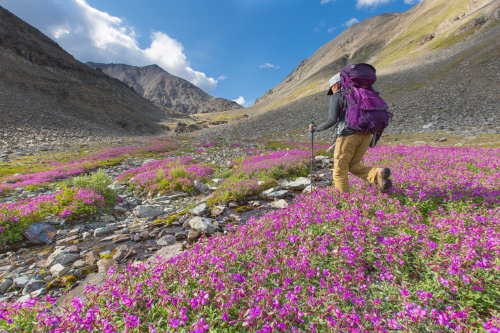
One of the most effective ways hikers can protect mountain ecosystems is by limiting physical disturbance to vegetation and soil. Many plant species in alpine and subalpine zones grow slowly and are easily damaged by repeated foot traffic. Remaining on established trails concentrates use in areas designed to withstand it, helping preserve surrounding plant communities and prevent erosion. Avoiding shortcuts and informal paths also protects soil structure and reduces the spread of damage into previously undisturbed habitat.
Likewise, compliance with access regulations is essential to ecosystem protection. Seasonal closures and designated use areas are often established to safeguard breeding wildlife, protect fragile vegetation, or allow recovery from environmental stress. Respecting these measures supports conservation efforts designed to maintain biodiversity and ecological function across mountain environments.
Responsible waste practices are another essential element of ecosystem protection. Carrying out all waste, including food scraps, prevents contamination of soil and water and limits the introduction of materials that decompose slowly at high elevations. Proper handling of human waste is equally important, as unmanaged disposal can introduce bacteria and nutrients that disrupt natural ecological processes. By managing waste carefully, hikers help maintain the integrity of sensitive mountain environments.
Respectful interaction with wildlife further supports ecosystem health. Mountain ecosystems often host species with limited ranges and specialized adaptations. Observing wildlife from a distance allows animals to carry out essential behaviors without interference. Avoiding feeding or approaching wildlife helps preserve natural foraging patterns and reduces stress on species already adapted to challenging conditions.
Hikers can also protect mountain ecosystems through thoughtful preparation and equipment choices. Durable, reusable gear reduces waste and limits the accumulation of discarded materials in natural areas. Using water purification methods rather than relying on disposable containers helps reduce plastic pollution, which can persist in mountain soils and waterways. These choices align recreation with the long-term preservation of ecological systems.
Beyond individual behavior, hikers can support protection efforts through engagement with conservation initiatives. Financial contributions, volunteer participation, and support for research and restoration projects help sustain work focused on preserving mountain ecosystems. These efforts are especially important in areas experiencing increased recreational use.
Education reinforces all of these actions. By understanding the characteristics and vulnerabilities of mountain ecosystems, hikers are better equipped to make decisions that reduce harm. Sharing accurate information and modeling responsible practices encourages a broader culture of stewardship, amplifying individual efforts across the hiking community.
Protecting mountain ecosystems requires consistent, intentional action. Through careful movement, responsible waste management, respectful wildlife observation, and support for conservation measures, hikers can actively contribute to the preservation of these sensitive ecological communities. Such practices help ensure that mountain ecosystems remain intact and resilient despite increasing environmental pressures.
FAQs
Why are mountain ecosystems especially vulnerable?
They exist under narrow environmental conditions and recover very slowly from damage. Even small disturbances can have long-lasting effects.
Why is staying on marked trails so important?
Trail use concentrates impact in areas designed to handle foot traffic. This prevents erosion and protects surrounding vegetation and soil.
How should hikers handle waste in mountain areas?
All waste, including food scraps, should be packed out. Improper disposal can contaminate soil and water and disrupt ecological balance.
What is the correct way to interact with wildlife?
Wildlife should be observed from a distance without feeding or approaching them. This helps preserve natural behaviors and reduces stress on animals.
How can hikers support conservation beyond their own behavior?
They can contribute through volunteering, donations, or supporting research and restoration projects. These efforts help protect ecosystems facing increased recreational pressure.
About Alexandra Forrestall
Alexandra Forrestall is a Calgary-based professional with experience in talent recruitment, early childhood education, customer service, and animal care. She holds a diploma in early childhood education from Seneca College and has worked as a talent sourcer and junior recruiter since 2022. Her background also includes hands-on roles as a dog handler and registered early childhood educator. Outside of work, she enjoys hiking, volunteering, and outdoor activities, and she is a certified ski instructor.