photo credit: CC0
Key Takeaways
- Medal of Valor awards are reserved for rare acts involving extraordinary bravery and extreme personal risk.
- Departments use strict written criteria to prevent valor recognition from becoming routine.
- Nominations usually move through a formal chain-of-command and committee review process.
- Agencies distinguish between life-saving awards and valor awards to apply the correct standards.
- Transparent criteria and consistent decisions help preserve public trust in the recognition system.
Brian Uridge is a Plainwell, Michigan-based public safety leader with more than 25 years of experience spanning law enforcement, healthcare security, emergency services, and corporate safety. Brian Uridge joined the University of Michigan in 2018 as Director of Michigan Medicine Security, where he supervises more than 200 security, guest services, and law enforcement personnel. His responsibilities include oversight of criminal investigations, community policing, K-9 operations, clinical training, and physical security programs.
In 2019, Brian Uridge was appointed Deputy Director of the University of Michigan Department of Public Safety and Security, expanding his role to include enterprise-wide threat assessment, policy development, protective investigations, regional campus integration, and DEI implementation. His career includes service with municipal public safety departments and healthcare systems, as well as recognition for bravery and excellence, including a Public Safety Medal of Valor. This professional background provides relevant context for understanding how public safety agencies evaluate acts of extraordinary courage and determine whether they meet the high standards required for Medal of Valor recognition.
How Public Safety Agencies Review Medal of Valor Nominations
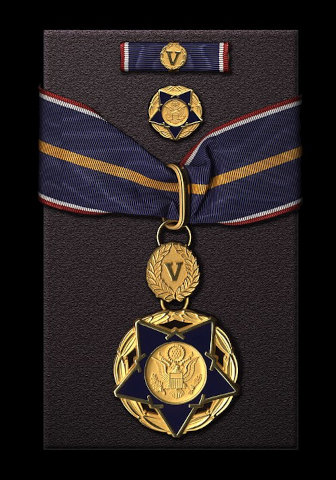
In most professions, recognition builds over time, but in public safety, some honors exist for rare moments when someone knowingly accepts extreme danger to protect others. Public safety agencies use the name “Medal of Valor” for some local awards. The Department of Justice administers the national Public Safety Officer Medal of Valor program, where agencies nominate candidates, and the President awards the medal after a federal review process. Departments keep valor recognition structured and selective so it does not turn into casual or automatic recognition.
Departments apply strict criteria for valor awards. Policies describe extraordinary bravery or heroism under imminent danger or grave hazard, with significant personal risk and clear awareness of that risk. In the federal program, the act involves exceptional courage in an attempt to save or protect human life. These standards keep valor recognition reserved for situations that go well beyond routine performance.
Many recognition programs start with a written nomination that moves through the chain of command. The nominator supports the recommendation with a detailed incident narrative and other records. The department evaluates what those documents show happened and why the action matched the award criteria.
After a supervisor submits a nomination, an awards committee or designated authority reviews it. Committee-based systems compare the incident to written criteria, may ask for more information, and then document a final decision. Some policies keep committee deliberations confidential even when the agency publicly describes the award category and criteria, so decisions stay focused on standards rather than popularity.
Departments also use valor awards to distinguish between different types of recognition. Many policies separate a life-saving award focused on directly saving a life from a valor award that emphasizes extraordinary bravery and high personal risk. That separation helps agencies apply the right criteria and rely on documentation instead of dramatic storytelling.
The Kalamazoo Department of Public Safety shows how this structure operates at the local level. KDPS lists the Medal of Valor among its awards and defines it as an act of bravery or heroism involving very high risk to a member’s life with full awareness of the danger. KDPS also names Medal of Valor recipients in its annual report, showing the award in active use as a formal classification.
When departments decline a nomination, it does not mean the responder acted inappropriately; it means the agency decided that the incident did not meet the criteria for that award level. Some systems instead assign a different award when the facts support recognition, but not the requested level. By making these determinations consistently, departments preserve the meaning of the award and maintain clear standards.
Departments also rely on public communication tools to explain how recognition decisions work. Many agencies publish award categories and recipients in annual reports or highlight them in formal presentations. These methods help people distinguish between routine commendations and higher-threshold awards and reduce confusion about why agencies recognize some actions and not others. Agencies can still keep internal deliberations and full nomination packets confidential while sharing these details.
As departments refine recognition programs, they continue to balance transparency with operational integrity. Agencies can describe award criteria and basic process steps in public materials while protecting sensitive details in incident records and confidential committee deliberations. When agencies explain criteria and process clearly, the public can better understand what a Medal of Valor represents and why it remains rare, especially after high-visibility incidents.
FAQs
What qualifies as a Medal of Valor action?
It must involve extraordinary courage under imminent and grave danger with clear awareness of the risk. The action typically involves attempting to save or protect human life.
Who reviews Medal of Valor nominations?
Most departments use an awards committee or designated command staff to review nominations. The review follows written policies and formal criteria.
Why are Medal of Valor awards rare?
Because the criteria require extreme personal risk beyond normal duty expectations. This keeps the award meaningful and prevents overuse.
What happens if a nomination is not approved?
The agency may decide the incident does not meet the specific criteria for that award level. In some cases, a different form of recognition may be granted instead.
How do agencies explain these decisions to the public?
Many publish award categories, criteria, and recipients in reports or official announcements. Internal deliberations and detailed case files usually remain confidential.
About Brian Uridge
Brian Uridge is Deputy Director of the University of Michigan Department of Public Safety and Security and Director of Michigan Medicine Security. He has more than 25 years of experience in law enforcement, healthcare security, emergency services, and risk management. A certified police officer and Certified Healthcare Protection Administrator, he oversees large-scale security operations, investigations, and threat assessment programs, and has received multiple professional awards, including a Public Safety Medal of Valor.