Key Takeaways
- Chest pain that radiates to the arm, jaw, neck, or back should be treated as a medical emergency.
- Symptoms lasting more than a few minutes or returning after rest need urgent evaluation.
- Shortness of breath, sweating, nausea, or dizziness with chest pain increases risk.
- Personal risk factors lower the threshold for choosing emergency care.
- When in doubt, calling emergency services is safer than waiting or driving yourself.
Dr. Boutros Mikhail is a Toronto-based family physician and general practitioner with more than 20 years of experience caring for patients in hospital emergency departments and outpatient clinics in and beyond Ontario. In his practice, Dr. Mikhail prioritizes clear, transparent communication and patient education, helping people understand symptoms and next steps when decisions feel urgent. His background includes work in rural Newfoundland as well as community Grade A hospitals, alongside broad primary care services such as preventive screening, chronic disease management, and acute illness assessment. He has pursued additional training in practical dermatology and emergency care skills, and he maintains professional affiliations with the Ontario Medical Association and the College of Family Physicians of Canada.
This guide applies a family-medicine perspective to a common concern, how to choose urgent care or emergency services when chest pain appears.
When Chest Pain Requires Urgent Care – A Family Doctor’s Guide
Chest pain can leave people stuck between calling 911 and hoping a clinic visit will be enough. Urgent care treats problems that do not appear immediately life-threatening, while emergency care means calling 911 or going to a hospital emergency department. Family doctors help patients make that call by treating certain patterns as emergencies until a clinician can rule out serious causes.
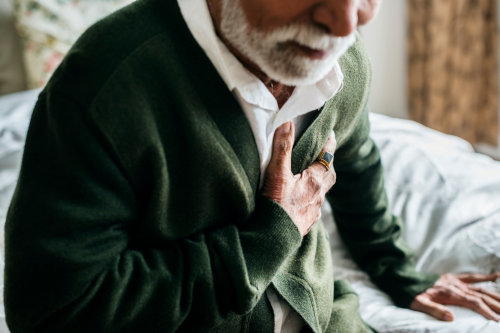
How chest pain feels and where it travels offer early clues. Pain may feel sharp, burning, dull, or like heavy pressure. When discomfort spreads into the arm, jaw, shoulder, neck, or back, doctors call it radiating pain and treat it as a possible sign of angina or a heart attack. Pain that stays in one small spot or clearly follows a sore muscle after movement more often points to a chest wall or muscle strain.
Pain that starts with physical activity and eases with rest can reflect reduced blood flow to the heart. Discomfort that lasts more than a few minutes, especially if it approaches or exceeds 15 minutes, or settles and then returns, pushes doctors to treat the situation as time-sensitive. In that setting, “wait and see” can turn into a harmful delay.
Shortness of breath paired with nausea, sweating, or dizziness can mean the heart is not keeping up with the body’s demand, even if the pain itself feels mild. If a 52-year-old with high blood pressure and a history of smoking climbs a flight of stairs, feels chest pressure, and then turns lightheaded, that person should not drive or hope it passes. Calling 911 reduces the risk that a treatable emergency worsens while the person waits.
Background risk also changes the threshold for urgent action. High blood pressure, high cholesterol, smoking, and known coronary artery disease raise the odds that chest symptoms reflect a serious heart problem. A strong family history of early heart disease adds more weight. When these markers stack up, family doctors move faster toward emergency evaluation instead of routine monitoring.
Clinicians use tests to confirm what symptoms and history already suggest. An electrocardiogram, or ECG, records the heart’s electrical activity and can reveal rhythm problems or patterns consistent with heart injury. A pulse oximeter clips onto a finger and estimates blood oxygen levels. Abnormal findings strengthen the case for rapid hospital assessment.
Falling oxygen levels, an abnormal ECG pattern, fainting, severe chest pain, or trouble breathing all signal a higher risk. In those cases, ambulance transport to the emergency department is safer than driving, because emergency teams can start evaluation sooner and coordinate care on arrival.
When an exam strongly supports a muscle or chest wall strain and the discomfort stays localized and changes with movement or position, a doctor may treat the problem in the clinic and arrange follow-up. If soreness follows heavy lifting and the exam shows muscle tenderness with stable vital signs, home recovery can be reasonable. The plan should still include clear instructions to seek emergency care if symptoms worsen, return, or feel different from what was expected.
Chest discomfort that intensifies, returns suddenly, lasts more than a few minutes without a clear harmless cause, or appears with breathing difficulty should trigger immediate action. The goal is not for patients to diagnose themselves, but to choose the setting that can rule out dangerous causes quickly, so chest pain does not turn into a preventable emergency delay.
FAQs
What kind of chest pain is most concerning?
Pain that feels like pressure or spreads to the arm, jaw, neck, or back is especially concerning. Doctors treat this pattern as possible heart-related pain until proven otherwise.
How long is too long to wait with chest pain?
Pain lasting more than a few minutes, especially approaching or exceeding 15 minutes, should not be ignored. If it goes away and comes back, that is also a warning sign.
When should someone call 911 instead of going to a clinic?
Call 911 if chest pain comes with shortness of breath, dizziness, sweating, or fainting. Ambulance transport allows earlier monitoring and treatment.
Can chest pain ever be treated safely in a clinic?
Yes, if the pain is clearly muscular, stays in one spot, and changes with movement or position. Even then, patients should get instructions on when to seek emergency care.
Do personal risk factors change how urgent chest pain is?
Yes, conditions like high blood pressure, smoking, or known heart disease make serious causes more likely. Doctors act more quickly when these risks are present.
About Dr. Boutros Mikhail
Dr. Boutros Mikhail is a Toronto-based general practitioner and family physician with over 20 years of experience in hospital and clinic settings. He has provided care in emergency departments and community clinics, and he has also served patients in rural Newfoundland. His training includes diplomas in pediatrics and practical dermatology, alongside additional certifications in emergency and advanced life support. He is affiliated with the Ontario Medical Association and is a fellow of the College of Family Physicians of Canada.