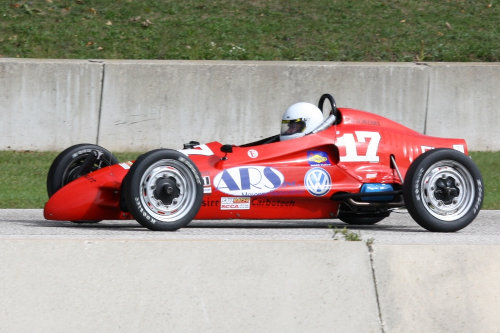
photo credit: Royalbroil / Wikimedia Commons / CC BY-SA 3.0
Key Takeaways
- SCCA regional racing focuses on structured, wheel-to-wheel competition with consistent procedures.
- Newcomers can participate as volunteers to learn event operations before driving.
- The Novice Permit and Driver School form the foundation of the SCCA licensing path.
- Preparation includes completing online modules, securing compliant gear, and understanding rules.
- Choosing a stable class helps new drivers build experience safely and predictably.
Charles Shears is a Houston, Texas-based real estate developer and managing partner of SDI Realty Advisors, a firm he established in the late 1990s. Under his leadership, the company has developed retail centers anchored by national brands such as Lowe’s Home Improvement and Walmart Supercenter, expanding from the Houston Metro region to projects across Texas and beyond. Over nearly three decades, Charles Shears has co-developed more than 60 Lowe’s locations and 23 Walmart Supercenters, along with projects involving retailers and restaurant chains including Dick’s Sporting Goods and Chipotle.
A graduate of the University of Texas at Austin with a degree in economics, he is also active in professional organizations such as the International Council of Shopping Centers. Outside of his business pursuits, Charles Shears enjoys competitive motorsports, making regional Sports Car Club of America racing a natural extension of his interest in organized road racing.
Getting Started in Regional Sports Car Club of America Racing
Regional Sports Car Club of America (SCCA) road racing is wheel-to-wheel competition on a closed circuit. Drivers run side by side, follow established event procedures, and race to the finish. Club members staff and officiate events, which keeps weekend operations consistent from event to event.
SCCA road racing relies on a broad volunteer base, so participation is not limited to drivers. Members can join on-track and trackside roles that support event operations and help newcomers learn how race weekends run. This broader involvement builds familiarity with procedures and can make later driver-school and race-weekend steps feel more predictable.
In road racing, the first car to the finish wins. Cars differ in speed and preparation, so the sport relies on classing and track procedures to keep competition fair and predictable. Early focus stays on understanding how a race weekend operates, including flags and session rules, rather than chasing outright speed.
The licensing path starts with the Novice Permit, also known as a competition logbook. Drivers present the Novice Permit to enter an SCCA Driver School and begin novice race weekends. The application requires meeting the minimum age and submitting a medical or physical exam within the required time frame, with additional steps for minors.
SCCA offers online driver’s school modules that cover core event procedures, which form part of the entry sequence for new applicants. The modules support predictable on-track behavior and provide an introduction to flags and session expectations. Completing the modules in advance can reduce confusion during the first school weekend.
Drivers can meet the school requirement through multiple routes. SCCA regions run some schools, while others are professional schools that SCCA accredits for licensing purposes. For an accredited professional school, a driver completes the course, receives a certificate, and applies within the stated time limit after graduation, so the training counts toward licensing.
Before any on-track sessions, each entry needs a prepared car and compliant driver gear. Program rules require an approved helmet, and the program or event specifies the driving gear required for participation. When a suitable vehicle is unavailable, renting or leasing a car for driver school is a common option, and school rentals typically cost $500 to $2,000, depending on the car type and provider.
Two rule documents guide planning. The General Competition Rules (GCR) set the baseline rules, and the flags section defines the signals used to respond to track conditions. Supplemental Regulations are event-specific instructions that add local details, including check-in steps, required meetings, schedules, and other weekend procedures. Reading both documents creates a clear picture of what the event requires before arrival.
Choosing a class comes next because classes reduce extreme mismatches between cars. Classes group cars by type and modification level, which keeps competition among vehicles built to similar expectations. Class choice also shapes what race-ready means for the car under that class structure and event requirements.
Some newcomers consider platforms supported by SCCA Enterprises, including Spec Racer Ford (SRF) and Formula Enterprises. SCCA Enterprises has delivered over 900 SRF cars, and SRF has remained one of the larger car groups within SCCA. A practical starting point is selecting a class with clear requirements and stable participation, then building experience through repeat weekends and consistent compliance with procedures.
FAQs
What is regional SCCA road racing?
It is wheel-to-wheel competition held on closed circuits under standardized rules. Events are staffed largely by volunteers, which helps maintain consistency.
Do I need to be a driver to get involved with SCCA?
No, members can serve in on-track or trackside roles that support race operations. These roles help newcomers understand how race weekends work.
What is the first step to becoming an SCCA driver?
The process begins with applying for a Novice Permit. This allows entry into an SCCA Driver School and novice race weekends.
Are driver schools required for licensing?
Yes, drivers must complete an SCCA Driver School or an accredited professional school. Completion counts toward licensing if applied within the required timeframe.
How should new drivers choose a racing class?
Classes group cars by type and preparation level to keep competition fair. Beginners often benefit from classes with stable participation and clear rules.
About Charles Shears
Charles Shears is the managing partner of SDI Realty Advisors in Houston, Texas, where he has overseen the development of dozens of retail centers anchored by national brands such as Lowe’s and Walmart. A University of Texas at Austin economics graduate, he is active in industry associations including the International Council of Shopping Centers. Outside of work, he enjoys racing cars and motorcycles and has competed in events including the American LeMans Series.