Key Takeaways
- Texas is home to diverse wildlife species adapted to varied biomes across the state.
- The Texas longhorn is a historically significant breed that adapted naturally to North America.
- Bald eagles inhabit Texas year-round, with distinct breeding and wintering populations.
- Large predators such as mountain lions and American alligators occupy specific regional habitats.
- Conservation efforts have played a critical role in protecting iconic and vulnerable species.
Joel Bartsch is a museum executive and earth sciences specialist whose career spans leadership, curation, and institutional development. An alumnus of Concordia University and Rice University, he began his professional path in the museum field as a security guard before advancing into curatorial and executive roles. Joel Bartsch has served as president and CEO of the Houston Museum of Natural Science since 2004, overseeing major expansions, financial restructuring, and the development of new exhibit spaces and educational centers. Earlier in his career, he held leadership positions at the California State Mining and Mineral Museum and the Lyman House Memorial Museum, where he strengthened membership programs and fundraising initiatives.
Through decades of work in earth sciences and public education, he has supported exhibitions that highlight natural history, including the remarkable wildlife and ecosystems found throughout Texas.
The Diversity of Texas Wildlife
The Houston Museum of Natural Science, a 501(c)(3) nonprofit organization, opened its doors in 1909. For more than a century, the museum has operated under the belief that science can enhance the lives of all Americans. Exhibits at the Houston Museum of Natural Science explore subjects from around the world and also highlight local wonders, such as the Farish Hall of Texas Wildlife, which showcases the state’s unique biomes and diverse species.
Texas is home to a myriad of animals, including the Texas longhorn, the state’s largest mammal. Individuals can weigh up to 1,500 pounds and sport horns that can span nine feet. Experts describe the animal as the nation’s only cattle breed that adapted naturally to its North American environment without any human aid. The animal’s lineage extends backward more than five centuries, to the first cattle that set foot on American soil.
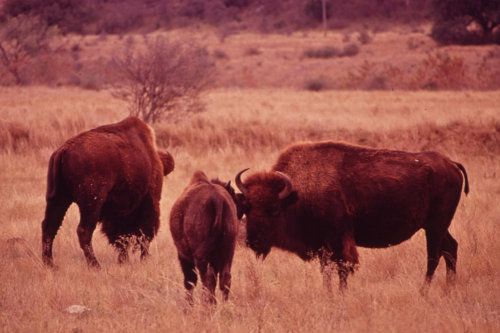
Longhorns took over the niche left by the buffalo after the buffalo’s destruction following the Civil War. They thrived throughout the Midwest until imported cattle with “improved” beef qualities arrived in the United States, though the US government began preserving the longhorn in nature reserves. In Texas, cattlemen maintained the species and ultimately formed the Texas Longhorn Breeders Association of America.
The longhorn is an iconic animal in Texas. The state is also home to an animal that is emblematic of the nation as a whole: the bald eagle. These birds of prey stand about three feet tall, with a wingspan of up to eight feet, and are instantly recognizable by their white head and prominent yellow bill. They are present year-round throughout Texas and have divided into two main populations: breeding birds and wintering birds. The breeding population sticks to the eastern side of the state, mainly around coastal regions from Rockport to Houston. The wintering population, meanwhile, resides mostly in the Panhandle and suitable habitats throughout Central and East Texas.
The bald eagle has faced many threats over the centuries, including habitat loss and pesticides. The animal’s numbers declined significantly around the turn of the century and joined the Endangered Species list on March 11, 1967. Fortunately, concerted recovery efforts have helped the bald eagle regain its foothold in Texas and other parts of the nation. The species improved to Threatened status on July 12, 1995, and delisted on August 8, 2007.
Texas is also home to several large predators, including the mountain lion and the American alligator. Mountain lions measure seven feet from nose to tail and can weigh 170 pounds. They are extremely reclusive animals and typically avoid human interactions. Once distributed throughout all of North America, mountain lions rarely appear in America outside of remote parts of the western US. In Texas, they live mostly in the Trans-Pecos mountain region and southern Texas brushlands.
American alligators, meanwhile, are a protected game species in Texas, occupying the eastern third of the state. They are most active between dusk and dawn from March through the summer, though they are a shy species that tends to avoid human interactions. However, habitat encroachment has led to alligators entering urban and suburban areas, posing a danger.
These are only a few of the state’s unique animal species. Other animals of note include armadillo, peccaries, and about 15 species and subspecies of venomous snakes.
FAQs
Who is Joel Bartsch?
Joel Bartsch is the president and CEO of the Houston Museum of Natural Science and an earth sciences specialist. He has led major museum expansions and supported exhibitions highlighting natural history and Texas wildlife.
What makes the Texas longhorn unique?
The Texas longhorn is considered the only cattle breed that adapted naturally to North America without human intervention. Known for its massive horns and resilience, it became an iconic symbol of Texas heritage.
Where are bald eagles found in Texas?
Bald eagles live year-round in Texas, with breeding populations concentrated along the eastern coastal regions. Wintering populations are commonly found in the Panhandle and parts of Central and East Texas.
Are mountain lions common in Texas?
Mountain lions are present but reclusive, primarily inhabiting the Trans-Pecos mountain region and southern brushlands. They tend to avoid human contact and are rarely seen outside remote areas.
What other notable wildlife species live in Texas?
Texas also hosts American alligators, armadillos, peccaries, and multiple species of venomous snakes. These animals reflect the ecological diversity found across the state’s forests, wetlands, plains, and deserts.
About Joel Bartsch
Joel Bartsch has led the Houston Museum of Natural Science as president and CEO since 2004, following earlier service as curator, director of earth sciences, and project manager at the institution. He previously directed the California State Mining and Mineral Museum and served as curator of earth sciences at the Lyman House Memorial Museum in Hawaii. A graduate of Concordia University and Rice University, he has overseen major museum expansions and fostered international professional collaborations.