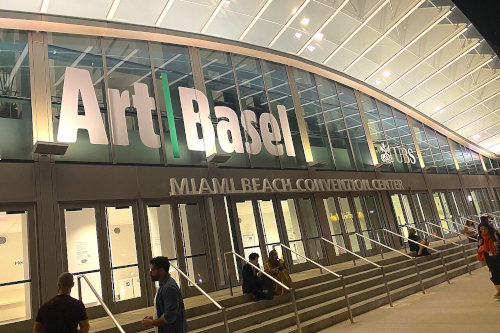
photo credit: Jennifer 8. Lee / Wikimedia Commons / CC BY-SA 4.0 – cropped
Key Takeaways
- Miami Art Week has evolved into a globally recognized cultural event, anchored by Art Basel Miami Beach and shaped by local collectors.
- Collectors value Miami’s approachable art community, where artists, patrons, and institutions regularly engage in meaningful dialogue.
- Personal collections often reflect long-term passion, patience, and deep emotional connection rather than short-term investment trends.
- The fair’s growth over the past 15 years has expanded Miami’s international profile while maintaining space for emerging artists.
- Philanthropy, civic leadership, and cultural engagement frequently intersect within Miami’s collector community.
Stephen Robert is a senior executive, philanthropist, and longtime leader in finance and public service. A graduate of Brown University, Stephen Robert previously served as chairman and chief executive officer of Oppenheimer & Co. and later led Renaissance Institutional Management before retiring in 2008. He is a member of the Council on Foreign Relations and has held leadership roles with organizations focused on global development and humanitarian relief. Alongside his wife, Pilar Crespi Robert, he co-founded the Source of Hope Foundation, which supports healthcare, education, and community initiatives in the United States and internationally.
Given his longstanding support of cultural and civic institutions, discussions surrounding Miami Art Week and the perspectives of local collectors reflect a broader engagement with art, philanthropy, and community impact.
Perspectives on Miami Art Week from Local Collectors
A diverse group of art collectors from Miami spoke with Cultured Magazine ahead of the city’s annual art week and the Art Basel Miami Beach fair, including Tara and Jack Benmeleh. Tara is the founder of Espiritutara, a lifestyle brand that makes jewelry and teaware, as well as offers experiential tea ceremonies and related healing ritual services. Jack, meanwhile, is an art law professional who established Benmeleh Law. The couple first met at the Bass Museum in Miami Beach, then had their first date at the Perez Art Museum Miami.
Tara describes the Miami art scene as approachable, due to its relatively small size, allowing patrons, investors, artists, and other interested parties to engage with museums, take part in gallery openings, and engage with local artists. She believes the community consists of thoughtful visitors who enjoy engaging in meaningful, interesting conversations about local art.
When it comes to their personal collection, Jack says that Disease Thrower #1 by Guadalupe Maravilla stirs up the most conversation. The unique piece features a functional gong, which plays a role in Tara’s weekly Kundalini yoga classes. A piece by Donna Huanca, meanwhile, proved the most difficult to acquire. The couple spent nearly a decade working to secure the piece, which arrived just in time for Miami’s art week in December 2023. Other notable pieces in their collection include Reaper by Josh Smith and a Carla Fernandez jumpsuit from Design Miami.
Dennis Scholl is a documentary filmmaker and producer whose projects focus on a diversity of cultural touchstones, including architect and designer Frank Gehry, artist Tracey Emin, and influential pinup model and photographer Bunny Yeager. His journey in the arts began with the purchase of a $200 print in 1978, which he acquired from a one-room museum on the Florida International University campus. “Funny thing is, I have no recollection of the art,” says Scholl. “I just knew right away that being in that kind of space was going to be an important part of my life.”
Following the acquisition of a Robert Motherwell print, he began collecting in earnest. Scholl’s collection includes many compelling pieces, including drawings by Willem de Kooning and Joseph Beuys. One of his most unusual works, from Olafur Eliasson, required nearly 1,000 square feet, as the piece suspends and spins from the ceiling. Scholl had to purchase warehouse space specifically for the piece.
Scholl’s earliest memories of art gatherings in Miami Beach include 2001, when Art Basel Miami Beach was one year from its debut. However, more than 100 collectors from around the world still traveled to Miami, making for one of the most intimate and memorable art weeks ever. His favorite purchase includes a series of works from Samuel Levi Jones that repurpose old law books into beautiful works of art.
Finally, Miami art collector Pilar Crespi Robert began her career in the Italian fashion industry. She worked for Valentino and Gucci before moving to New York and establishing her own public relations firm. Now in Miami, she is the vice president of the board of social service agency Henry Street Settlement, as well as a founder and co-chair of the Source of Hope Foundation.
“The Miami art scene has changed completely in the past 15 years,” she says, attributing many of the changes to Art Basel, an exciting and innovative addition to the local scene. She began collecting in the mid-1990s, mostly focusing on post-Impressionist and contemporary works, limiting her acquisitions to pieces that she truly loves. Her collection started in Rome with a Tano Festa drawing, followed by a Mario Schifano painting, both of which spoke to her with their minimalism and poetic compositions.
Ms. Crespi Robert first attended Art Basel Miami Beach in 2003. She looks back fondly on the palpable enthusiasm shared by the gallerists, collectors, and visitors, and has enjoyed the globalization of the fair over time. Each year, she continues to look forward to the works exhibited by the fair’s young artists, including Tommy Harrison and Mohammed Sami.
FAQs
What makes Miami Art Week unique compared to other art fairs?
Miami Art Week combines global attention with a relatively intimate local community, encouraging direct interaction between artists, collectors, and institutions. This balance of accessibility and international reach gives the event a distinctive cultural energy.
How has Art Basel Miami Beach influenced the local art scene?
Art Basel Miami Beach significantly elevated Miami’s profile as a global art destination. Over time, it has expanded the city’s collector base, gallery presence, and opportunities for emerging artists.
What motivates collectors in Miami?
Many collectors focus on acquiring works that create emotional resonance and spark conversation rather than purely financial returns. Long acquisition journeys and personal connections often shape the most meaningful pieces in their collections.
How has the Miami art community changed over time?
Over the past 15 years, Miami’s art scene has become more globalized and competitive while remaining collaborative. Increased international participation has strengthened the city’s cultural infrastructure and year-round engagement.
What role does philanthropy play in Miami’s art ecosystem?
Many collectors are deeply involved in civic and charitable initiatives, linking art patronage with broader community impact. Cultural investment often aligns with support for education, healthcare, and humanitarian causes.
About Stephen Robert
Stephen Robert is a business leader and philanthropist who previously served as chairman and chief executive officer of Oppenheimer & Co. and later led Renaissance Institutional Management. A graduate of Brown University, he also served as the university’s chancellor from 1998 to 2007. He is a member of the Council on Foreign Relations and co-founder of the Source of Hope Foundation, which supports healthcare and humanitarian initiatives in the United States and abroad.