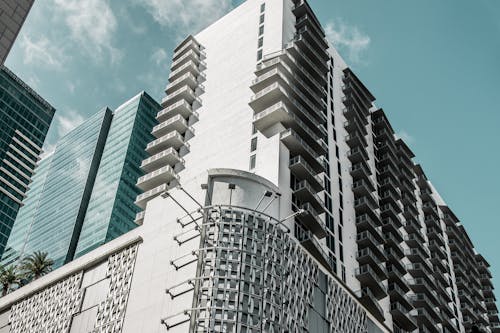
photo credit: Jacoby Clarke / Pexels
Key Takeaways
- Condo deconversion involves purchasing an entire condominium building and converting it into a single-owner rental property.
- The process typically requires a majority vote from unit owners, with thresholds varying by state and city regulations.
- Rising rental demand in urban markets is a major driver behind the growing popularity of condo deconversions.
- Investors often prefer deconversions over new construction due to lower costs, faster timelines, and reduced complexity.
- High maintenance costs and aging infrastructure are pushing many condo owners to consider bulk sales as a practical exit strategy.
Robert Palley is a Chicago-based real estate professional and co-founder of Granite Realty Partners, LLC, where he focuses on property acquisitions, development opportunities, and capital structuring strategies. With more than $750 million in real estate transactions since 1998, Robert Palley has developed extensive experience in multi-unit property investments, including condominium deconversion projects. His earlier role as vice president at Jupiter Realty Corporation involved the development and acquisition of significant retail properties. Holding an MBA from Northwestern University, he combines academic training with decades of industry experience.
Robert Palley’s background in large-scale real estate investments provides practical insight into condo deconversion, a strategy that has gained traction as market conditions shift toward rental demand in major urban areas.
Understanding Condo Deconversion in Today’s Real Estate Market
In recent years, condo deconversion has become increasingly common in US cities. Once considered a niche real estate strategy, it is now a mainstream investment shift. But what exactly is condo deconversion, and why is it gaining momentum?
Condo deconversion is where an investor purchases an entire condominium building in one transaction, then converts the condos into rental units. It is different from a condo conversion, which involves converting an apartment unit into a condominium and selling the units off.
The process of a condo deconversion is elaborate. It usually begins in one of two ways: by an investor making an unsolicited offer, or by the condo association board approaching a real estate broker. In the first scenario, a commercial real estate investor interested in acquiring a condo building approaches the condo board and makes an unsolicited offer to purchase it. They include the offer in a non-binding letter of intent. This is a document containing the general terms of the potential sale. The condo board will call a meeting of the association to discuss the offer and decide on it.
The other way a condo deconversion starts is with the condo board seeking out a real estate broker. The broker then visits the condo building, prepares marketing materials, engages investors, evaluates offers made, and presents the best offer to the condo board. The condo board will then call a meeting of its members to discuss the offer.
At the owners’ meeting, decisions to sell are by vote. In many states, the vote does not have to be unanimous. In Illinois, for example, if 75 percent of owners vote in favor of a sale, it is binding to all unit owners. In the city of Chicago, it has to be 85 percent of votes.
Once owners accept an offer, the investor will inspect the property, get an appraisal, and have their attorneys begin preparing the sale documents. On the day of closing, the investor will pay out the total purchase price to each owner of the condo building, based on their units’ size. Once completed, the building is no longer legally classified as a condominium. Instead, it becomes a traditional apartment building owned by a single entity.
There are many reasons why condo deconversions are happening increasingly today. The first is strong demand for rental properties. Major cities like Chicago are witnessing a surge in demand for rental housing. Years of growing housing markets have made home prices too high for many people, pushing more Americans to rent. But the stock of rental units in major cities remains low. Hence, investors are now approaching condo buildings and offering to purchase them at above-market rates.
Convenience is another reason. For investors, it is often more affordable to purchase a condo building and covert it into a rental building than to develop a new building from the ground up. New construction is costly and takes a lot of time, while condo deconversions are typically cheaper and faster.
High ownership costs are the final reason. Buildings are expensive to maintain, especially old ones aged above 30 years. Many condo buildings were built before the 2000s. As they age, repair works such as roof replacements, plumbing upgrades, and structural improvements get expensive. Regulations from federal organizations requiring condos to meet certain health standards only compound the problem for condo associations, particularly those with limited reserves. Individual owners often struggle to cover the costs, so a bulk sale through a condo deconversion can provide a convenient exit strategy.
Bulk selling through condo deconversion also attracts higher prices on individual units for owners. At the same time, the buyer also enjoys lower closing costs, as they can negotiate discounts from brokers and attorneys.
Ultimately, condo deconversion is closely tied to broader housing market conditions. In strong rental markets with rising interest rates and declining homes demand, deconversions are likely to continue. Conversely, if home ownership becomes more affordable, the trend may slow.
FAQs
What is a condo deconversion?
Condo deconversion is the process of selling an entire condominium building to a single buyer who converts it into a rental property. This changes the building’s legal structure from individually owned units to a unified apartment complex. It is essentially the reverse of a condo conversion.
How is a condo deconversion approved?
Approval typically requires a vote from the condominium association members. The percentage needed varies by location, such as 75% in Illinois or 85% in Chicago. Once the threshold is met, the decision becomes binding for all unit owners.
Why are condo deconversions becoming more common?
They are increasing due to strong rental demand, rising home prices, and limited rental supply in major cities. Investors are willing to pay competitive prices to acquire entire buildings. This creates attractive opportunities for condo owners to sell.
What are the benefits for condo owners?
Owners may receive higher payouts compared to selling individual units on the market. A bulk sale can also eliminate the burden of ongoing maintenance costs and special assessments. This makes it an appealing option for those in aging buildings.
What happens after a condo deconversion is completed?
Once the sale closes, the building is no longer classified as a condominium. It becomes a rental property owned by a single entity. The new owner then manages the units as apartments rather than individually owned residences.
About Robert Palley
Robert Palley is a co-founder and partner at Granite Realty Partners, LLC, based in Chicago. He specializes in property acquisition, development, and capital restructuring, and has overseen more than $750 million in real estate transactions. Prior to founding the firm, he served as vice president at Jupiter Realty Corporation. Robert Palley holds an MBA from Northwestern University and is a member of the Chicago Board of Realtors, with involvement in community organizations.