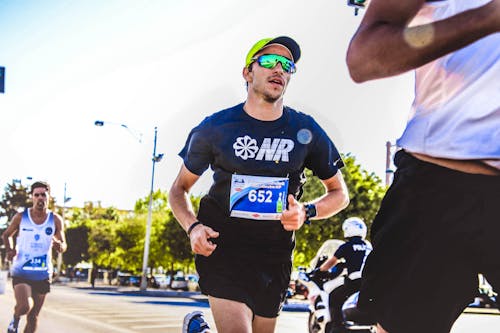
photo credit: RUN 4 FFWPU / Pexels
Key Takeaways
- Marathon running places significant stress on the body, requiring structured recovery across cardiovascular, muscular, and metabolic systems.
- Immediate post-race actions like walking, refueling, and rehydrating help stabilize the body and begin the recovery process.
- Nutrition and hydration timing are critical, with protein and carbohydrates needed soon after finishing to restore energy and repair muscles.
- Rest and sleep play a vital role in recovery by supporting muscle repair, immune function, and overall physical restoration.
- A gradual return to activity combined with symptom monitoring helps prevent injury and supports long-term performance.
Thomas Datwyler is a Wisconsin-based accounting professional and the founder of 9Seven Consulting, where he provides accounting and campaign compliance services for a wide range of clients. With more than a decade of experience handling financial reporting, budgeting, and regulatory filings for political committees and campaigns, he is known for his attention to detail and ability to streamline complex financial processes using modern accounting systems and cloud-based tools.
Outside of his professional work, Thomas Datwyler is also an avid long-distance runner who regularly participates in races ranging from 5Ks to marathons and half marathons. He has completed the Boston Marathon three times and has run all six World Marathon Majors, achieving strong placements in competitive events while remaining active in local running communities such as the Collegeville Track Club and Outpace Coaching.
Recovering After a Marathon: What Long-Distance Runners Should Know
Finishing a marathon places substantial demands on multiple body systems, and recovery is not simply a matter of resting until you feel better. Understanding what changes occur during and after 26.2 miles can help runners make practical choices in the hours, days, and weeks that follow, with attention to nutrition, hydration, movement, and gradual return to training.
During a marathon, the cardiovascular and respiratory systems work harder to supply oxygen and nutrients to working muscles. Heart rate, breathing rate, and blood flow increase, while blood is redirected away from non-essential tissues such as the digestive system. At the same time, energy use shifts as stored glycogen in muscles and the liver is progressively depleted. As glycogen runs low, reliance on fat metabolism increases, and runners who do not replace energy stores during the race are more likely to experience a marked drop in pace and performance later in the event. Thermoregulation also becomes a central challenge. As core temperature rises, sweating increases, and fluid and electrolyte losses accumulate.
These stresses do not stop at the finish line. Immediately after a marathon, some runners experience post-exercise hypotension, a drop in blood pressure that can cause dizziness or fainting, particularly if a runner stops abruptly and blood pools in the extremities. Continuing to walk after finishing supports a smoother transition as the circulatory system adjusts.
Over the next one to three days, delayed-onset muscle soreness (DOMS) can develop as microscopic muscle damage becomes apparent; tendon and cartilage structures are also affected through repetitive impact and are repaired over roughly 48 to 72 hours after strenuous or prolonged exercise. Many runners also experience temporary immune suppression linked to increased cortisol, typically resolving within 24 to 48 hours, and heart rate may take time to return to baseline as recovery demands continue.
Because the body is repairing tissue and restoring energy, early refueling and rehydration matter. Guidance from medical and exercise-physiology sources emphasizes consuming protein soon after finishing, including an intake of about 20 to 25 grams as soon as possible. Carbohydrate intake is also time-sensitive, with a carbohydrate-rich snack recommended within about 30 minutes of the finish, followed by a balanced meal containing protein, carbohydrates, and vegetables roughly two to three hours later. Hydration should continue after the race, with fluids that include electrolytes and carbohydrates to restore fluid balance. One approach is to weigh before and after the event and replace about 150 percent of the body weight lost, using the change in weight to estimate fluid needs.
Sleep is another core element of recovery, because it supports muscle repair, glycogen replenishment, and immune-system recovery. Recommendations include aiming for approximately eight to 10 hours of sleep after the race and supporting sleep quality by keeping the bedroom cool, dark, and quiet, avoiding caffeine for at least six hours before bed, limiting blue-light exposure and alcohol before sleep, and considering a light, protein-rich snack at night.
In the first week, rest from running is commonly recommended, even though some runners feel tempted to test their legs with an easy jog. Low-impact activity can still have a role, however, particularly gentle movement such as walking, swimming, or easy cycling to reduce stiffness and maintain circulation without adding running impact. As recovery progresses into the following weeks, low-intensity, low-impact cardio and a focus on strength and stability work may help address imbalances and support the next training cycle, while running volume and intensity are kept low at first.
Finally, runners are advised to monitor symptoms rather than assume every ache is normal. Chest pain, shortness of breath, or extreme fatigue warrant medical attention, and pain that worsens or does not improve within a week to 10 days should be discussed with a healthcare provider. Recovery also includes mental adjustment, as a post-marathon slump can occur after months of structured training; reflection and planning a next goal are commonly suggested ways to navigate that transition while the body returns to normal.
FAQs
What should runners do immediately after finishing a marathon?
Runners should continue walking to help regulate blood flow and prevent dizziness or fainting. This gradual cooldown supports the cardiovascular system as it transitions back to normal. Hydrating and consuming a small snack shortly after finishing also helps initiate recovery.
How soon should you eat after a marathon?
It is recommended to consume carbohydrates within about 30 minutes after finishing to replenish glycogen stores. A protein intake of around 20–25 grams should also follow to support muscle repair. A balanced meal within a few hours further aids recovery.
How long does it take to recover from a marathon?
Initial recovery may take several days, especially as muscle soreness peaks within 24 to 72 hours. Full recovery, including muscle repair and energy restoration, can take several weeks depending on the individual. Gradual return to training is important to avoid setbacks.
Is it okay to run shortly after a marathon?
Most experts recommend taking at least several days off from running to allow the body to recover. Low-impact activities like walking, swimming, or cycling can help maintain movement without adding stress. Returning too quickly to running may increase injury risk.
What symptoms after a marathon should not be ignored?
Symptoms such as chest pain, severe shortness of breath, or extreme fatigue should be taken seriously. Persistent or worsening pain beyond a week may indicate injury and require medical attention. Monitoring these signs ensures safe and effective recovery.
About Thomas Datwyler
Thomas Datwyler is the founder and owner of 9Seven Consulting, where he provides accounting and campaign compliance services for political committees and other clients. With more than a decade of experience in financial accounting and regulatory reporting, he specializes in budgeting, accounts payable and receivable, and federal and state election filings. Thomas Datwyler earned a bachelor of arts in accounting and finance from Bethany Lutheran College and is also an accomplished long-distance runner who has completed the Boston Marathon three times and participates in competitive running clubs.