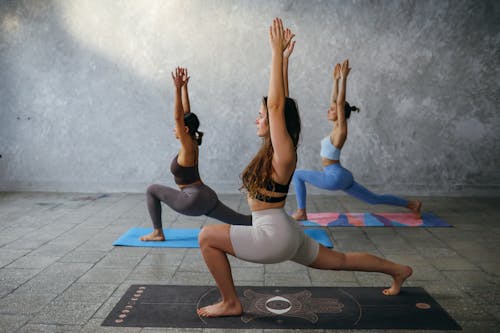
photo credit: KoolShooters / Pexels
Key Takeaways
- Yoga improves mobility, balance, and muscular control, going beyond simple flexibility gains.
- Regular practice enhances proprioception, helping the body better sense position and movement.
- Yoga builds sustained strength and core stability through controlled, held positions and transitions.
- Breathing techniques in yoga can support stress management and overall mental well-being.
- Consistency and proper technique matter more than intensity for long-term progress and safety.
Laura Niewold is a Nashville-based attorney and longtime community volunteer whose leadership has supported numerous charitable and cultural events. A graduate of the University of Mississippi, where she served as Rush Chairman for the Alpha Mu Chapter of Kappa Delta and worked as a Rebel Recruiter for the Ole Miss football team, she later earned her law degree from the Nashville School of Law and practiced in Nashville and Gallatin, Tennessee. Alongside her professional work, Laura Niewold has remained actively engaged in civic and philanthropic initiatives, co-chairing events such as the Swan Ball, the Conservancy Gala, and the Hermitage Gala.
Her involvement with organizations connected to wellness, community engagement, and public service reflects an interest in balanced lifestyles and healthy routines. Those themes connect naturally with practices like yoga, which many people explore not only for flexibility but also for broader physical and mental benefits.
What Yoga Improves Beyond Flexibility
Yoga is a practice built around controlled body positions and deliberate breathing, and it can include transitions between movements. While many people associate yoga with stretching, many common yoga styles also demand balance, body control, and sustained muscular effort. These elements help explain why yoga can feel different from simple stretching.
Most yoga classes offered in gyms, studios, and apps focus on physical poses, and many also include breathing practices. Some formats move continuously, while others use longer holds and slower sequences. Because styles emphasize different demands, a person may notice different changes depending on the approach and how consistently they practice.
One of the clearest skills yoga can build is mobility, which is different from flexibility. Flexibility is how far a muscle can lengthen, such as reaching toward the toes. Mobility is how well a joint moves through its range while staying controlled, so the goal becomes moving with control, not only moving farther.
Balance is one of the first changes many people notice, because many poses demand stable weight through the feet, ankles, and hips. Standing and single-leg poses require the body to make small adjustments to stay upright. Proprioception supports this balance control and acts as the body’s built-in sense of joint position and movement, even without looking.
Yoga can also build the ability to sustain muscular effort over time, rather than produce one powerful repetition. A long plank, a chair pose, or a slow lunge can challenge the legs, hips, and shoulders while the body stays steady. Many poses rely on torso stability, sometimes called core control, because trunk muscles help keep the spine and pelvis steady as the shoulders and hips move.
Along with strength and stability, yoga also trains breathing habits that influence how the body handles effort. Breath-focused styles commonly emphasize slower patterns and often pair breathing with attention and relaxation practices. Research summaries and health guidance connect yoga programs that include breathing and meditation with stress support and mood benefits for some people over time.
Over time, many beginners notice that movements feel more controlled and consistent as the same patterns repeat. Instead of judging progress by stretch depth alone, it helps to watch for steadier balance in standing poses or smoother transitions across a short sequence. That keeps progress measurable without turning yoga into a flexibility test.
Even with those benefits, expectations can interfere with progress. Yoga does not need to look graceful to be effective, and a person does not need natural flexibility to gain real results. Some soreness can happen, but it is usually more useful to treat yoga as controlled skill practice instead of pushing for maximum depth or speed.
Safety still matters, especially when stretching becomes the main focus. Yoga is generally considered safe for healthy people when performed properly, but strains and sprains can happen if someone forces range of motion or uses extreme positions. People who are pregnant, older, recovering from injury, or managing health conditions may benefit from checking with a healthcare professional and asking an instructor for modifications before increasing intensity or trying unfamiliar poses.
Consistent practice often matters more than intensity. Over time, revisiting a manageable set of poses can make movement feel more organized and intentional. Many people stick with yoga because it builds a routine around control and attention that stays repeatable week to week.
FAQs
Is yoga only beneficial for flexibility?
No, yoga also improves mobility, balance, strength, and body control, making it a well-rounded physical practice which contributes to overall wellness.
What is the difference between mobility and flexibility?
Flexibility refers to how far a muscle can stretch, while mobility involves controlled movement through a joint’s full range of motion.
Can yoga help with stress and mental health?
Yes, yoga often incorporates breathing and mindfulness techniques that can support stress reduction and improve mood over time.
Is yoga safe for beginners?
Yoga is generally safe when practiced correctly, but beginners should start slowly, use proper form, and consider guidance from an instructor.
How often should someone practice yoga to see results?
Consistent practice, even a few times per week, is more effective than occasional intense sessions for building long-term benefits.
About Laura Niewold
Laura Niewold is a Nashville-based attorney and community volunteer who earned her undergraduate degree from the University of Mississippi and her law degree from the Nashville School of Law. She practiced law in Nashville and Gallatin, Tennessee, and has long supported civic and charitable organizations. Her volunteer work includes leadership roles in events such as the Swan Ball, the Conservancy Gala, and the Hermitage Gala. Laura Niewold is also active with West End United Methodist Church and several heritage and civic organizations in Nashville.