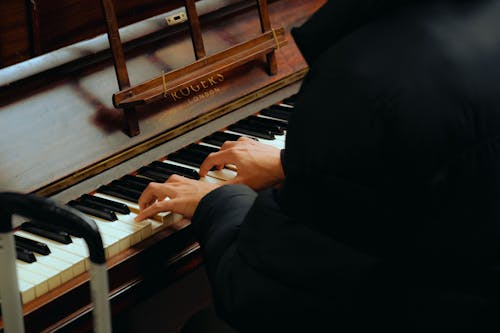
photo credit: Mathias Reding / Pexels
Key Takeaways
- Choosing the right piano starts with defining your goals, whether for casual play, formal training, or long-term musical development.
- Acoustic pianos offer superior sound and touch, while digital pianos provide affordability, portability, and low maintenance.
- Budgeting should include not only the purchase price but also ongoing costs like tuning, maintenance, and accessories.
- Key action and sound quality are critical factors that influence technique development and overall playing experience.
- Space, environment, and potential risks of buying used instruments should all be carefully considered before making a purchase.
Stokes Brownlee is a business professional based in Saint George, South Carolina, with a background in operations, project management, and executive leadership. He earned a bachelor of science in business administration from Erskine College and later completed a master of business administration at the University of South Carolina Aiken, where he also excelled as a collegiate athlete. His experience includes roles at Construct South Inc., where he advanced from intern to chief operating officer, as well as leadership responsibilities at ROD Holdings.
With a foundation in strategic planning, budgeting, and long-term investment decisions, his professional perspective aligns with thoughtful purchasing considerations. These skills translate well to evaluating major purchases such as musical instruments, including guidance on selecting a first piano.
Practical Guidance for Purchasing Your First Piano
Whether you are just beginning lessons or purchasing for someone else, buying a piano is a decision that requires attention to detail. A piano is a musical instrument and a long-term investment; making the right purchase choice can support musical learning and mastery well into decades. Understanding key factors before purchase can help you make informed decisions and avoid costly mistakes.
First, you should clarify the purpose and goal of the piano purchase. If you are a beginner who only intends casual practice at home, you have different needs compared to a student who is preparing for formal lessons or examinations. You should consider how often you will play the piano and what musical styles are most appealing to you. For instance, classical training might be better with an acoustic piano that has responsive touch. Conversely, as a contemporary or casual player, you might opt for versatility or volume control. You should also think in the long term. If you intend to continue lessons for several years, you should invest in a higher-quality instrument to prevent the need for a near-future update.
You also need to decide between an acoustic and a digital piano. Acoustic pianos produce sounds through hammers striking strings, and they come with unmatched tonal depth, tactile feedback, and dynamic range. These pianos encourage proper technique and expression but require climate control, more space, and regular tuning. Digital pianos, in contrast, mimic acoustic sound with sampled recordings and weighted keys. They require little maintenance and are more affordable. Digital pianos are good for beginners, though they lack some of the nuances of acoustics.
Setting a realistic budget is one of the most important steps to buying your first piano. Digital pianos usually cost less upfront. Acoustic pianos, however, need a higher initial investment. The purchase price alone does not tell the full story. Acoustic pianos come with ongoing expenses like regular tuning, periodic maintenance, and humidity control to protect the instrument. Digital pianos are easier to maintain, but you may need to buy a bench, stand, pedals, or external speakers.
The feel of the keys is critical in developing proper technique, especially for beginners. Weighted or graded hammer action keys simulate an acoustic piano’s resistance and help build finger strength and control. When testing a piano, notice how the keys react to light and firm touch. A quality instrument allows you to control dynamics smoothly, whether playing softly or with power. Avoid keyboards with uneven or overly light action, as they can slow progress and encourage bad habits.
Sound quality affects motivation and enjoyment. A piano with a rich, balanced tone encourages practice and deeper engagement. Listen for clarity in all registers, from warm bass to expressive treble. Acoustic pianos should sound deep and resonant. Digital pianos should sound natural and respond well to touch.
Consider your available space and environment when choosing a piano. Place an acoustic piano in a room that gives it adequate space and sound projection, and keep it away from direct sunlight, heating vents, and exterior walls to protect it from temperature and humidity changes. Opt for a digital piano if you need flexibility and easy movement, especially in smaller homes or shared spaces. If you want to reduce costs by buying a used piano, proceed with caution.
FAQs
Should I choose an acoustic or digital piano as a beginner?
Beginners often choose digital pianos because they are more affordable and require less maintenance. However, acoustic pianos provide a more authentic playing experience with better touch and sound dynamics. The right choice depends on your goals, budget, and available space.
How much should I budget for a first piano?
Your budget should account for both the initial purchase and ongoing costs. Acoustic pianos may require tuning and maintenance, while digital pianos may need accessories like stands or pedals. Setting a realistic budget helps ensure you get the best value for your needs.
Why is key action important when selecting a piano?
Key action affects how the keys respond to touch, which is essential for developing proper technique. Weighted or graded keys mimic the feel of an acoustic piano and help build finger strength and control. Poor key action can hinder progress and lead to bad playing habits.
What should I look for in a piano’s sound quality?
A good piano should produce a balanced and clear tone across all registers. Acoustic pianos should sound rich and resonant, while digital pianos should replicate natural sound as closely as possible. Sound quality plays a major role in motivation and enjoyment during practice.
Is it safe to buy a used piano?
Buying a used piano can save money, but it comes with risks if the instrument is not properly maintained. It is important to inspect the piano carefully or consult a professional before purchasing. Hidden issues can lead to costly repairs if not identified early.
About Stokes Brownlee
Stokes Brownlee is chief operating officer of Construct South Inc. and ROD Holdings in Saint George, South Carolina. He holds a master of business administration from the University of South Carolina Aiken and a bachelor’s degree from Erskine College, where he graduated with honors. A former collegiate athlete, he earned NCCAA All-American recognition and contributed to national championship teams. His experience spans project management, operations, and business development.