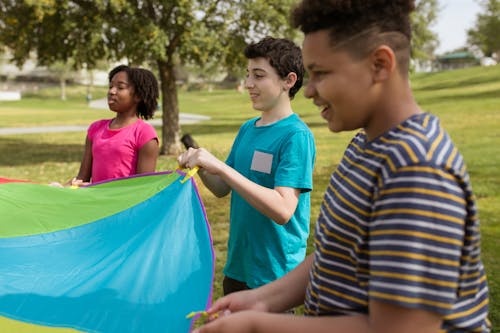
photo credit: RDNE Stock Project / Pexels
Key Takeaways
- Youth sports and recreational activities help children build confidence by reinforcing the connection between effort, practice, and improvement.
- Participation in team-based activities develops communication, collaboration, and accountability skills that extend beyond sports.
- Structured competition teaches emotional resilience by helping children navigate both success and setbacks constructively.
- Goal setting in sports encourages discipline and perseverance, helping children understand the value of consistent effort over time.
- Alternative activities like bowling leagues provide accessible ways for children to gain similar developmental benefits in less intense environments.
Troy Carson is a San Jose, California-based executive with more than 35 years of leadership experience across high-tech, real estate, hospitality, and security sectors. As president of Griffin Security in Santa Clara, he oversees operations, training, compliance, and strategic growth, leading a team that serves residential and commercial clients throughout the Bay Area. Troy Carson previously owned and operated multiple businesses, including a security firm and a bocce ball and restaurant venture. He holds a degree in criminal justice and business from San Jose State University, where he was also an accomplished athlete in soccer and baseball.
His athletic background and continued connection to recreational activities provide a relevant perspective on how youth sports and structured activities contribute to building confidence and long-term personal development.
How Youth Sports and Recreational Activities Shape Confidence
Participation in youth sports and recreational activities plays a significant role in shaping a child’s confidence and overall development. Beyond physical fitness, structured activities provide young people with opportunities to build resilience, develop social skills, and gain a stronger sense of self. Whether through traditional team sports or accessible options such as bowling leagues, these experiences can leave a lasting impact well beyond childhood.
One of the most important benefits of youth sports is confidence-building. When children learn a new skill, practice consistently, and see measurable improvement, they begin to trust their own abilities. Scoring a goal, improving a personal best, or mastering a new technique reinforces the idea that effort leads to progress. Even small achievements can have meaningful effects. Over time, repeated experiences of growth help children internalize a sense of competence that carries into academics and other areas of life.
Teamwork is another critical component. Participating in sports teaches children how to collaborate toward a shared objective. They learn to communicate clearly, listen to feedback, and support teammates during both successes and setbacks. In team settings, individual performance contributes to a larger outcome, reinforcing accountability and cooperation. These lessons often translate into stronger interpersonal skills in school and future workplaces.
Handling competition is equally formative. Competition introduces children to both winning and losing in a structured environment. Learning to celebrate success with humility and accept defeat with resilience helps develop emotional maturity. Coaches and organized leagues provide guidance on sportsmanship, reinforcing respect for opponents and officials. These experiences teach that setbacks are not failures but opportunities to improve. Developing this perspective early can shape how young people approach challenges later in life.
Goal setting is naturally woven into athletic participation. Practices, games, and seasons provide clear benchmarks. Children may set goals related to skill improvement, teamwork, or performance outcomes. The process of identifying a goal, working steadily toward it, and reflecting on results reinforces discipline and perseverance. Over time, children begin to understand the connection between preparation and achievement.
Importantly, youth development through recreation is not limited to traditional field sports. While activities such as soccer, baseball, or basketball remain popular, not every child feels drawn to high-contact or fast-paced team environments. For some, alternative recreational leagues offer a more comfortable entry point. Bowling leagues, for example, provide structured competition in a setting that is often less physically demanding and more individually paced. Children can participate as part of a team while still focusing on personal improvement frame by frame.
Bowling leagues are particularly accessible. The equipment is typically provided, skill levels can vary widely, and many centers offer youth divisions tailored by age or experience. Because turns rotate among players, children have time to regroup, observe, and learn from others. This pacing can be especially beneficial for those who may feel overwhelmed in faster-moving sports. At the same time, bowling reinforces many of the same developmental benefits, including goal setting, handling competitive pressure, and supporting teammates.
Youth sports and recreational activities create environments where children test themselves in constructive ways. Through shared effort, healthy competition, and incremental progress, young people gain confidence that extends beyond the playing field or lane.
FAQs
How do youth sports help build confidence in children?
Youth sports build confidence by allowing children to learn new skills and see measurable improvement through practice. Achievements, even small ones, reinforce a sense of competence and self-belief. Over time, this confidence carries into other areas such as academics and social interactions.
What social skills do children gain from sports?
Children develop communication, teamwork, and cooperation skills through participation in group activities. They learn to listen, provide feedback, and support teammates toward shared goals. These experiences often translate into stronger interpersonal relationships outside of sports.
Why is competition important for child development?
Competition teaches children how to handle both winning and losing in a structured and supportive environment. It helps build resilience, emotional control, and sportsmanship. These lessons prepare them to face challenges and setbacks more effectively later in life.
Are non-traditional activities like bowling beneficial for kids?
Yes, activities like bowling provide a more accessible and less physically demanding way for children to participate in structured recreation. They still promote goal setting, focus, and teamwork while offering a slower-paced environment. This makes them a great option for children who may not enjoy traditional sports.
How does goal setting in sports impact long-term development?
Goal setting helps children understand the relationship between effort, consistency, and achievement. By working toward clear objectives, they develop discipline and perseverance. These habits can positively influence their approach to challenges in school and future careers.
About Troy Carson
Troy Carson is the president of Griffin Security in Santa Clara, California, with more than three decades of leadership experience across multiple industries. He oversees company operations, employee training, and client services while guiding a large team that serves residential and business communities. A graduate of San Jose State University, he studied criminal justice and business and participated in collegiate athletics, including soccer and baseball.