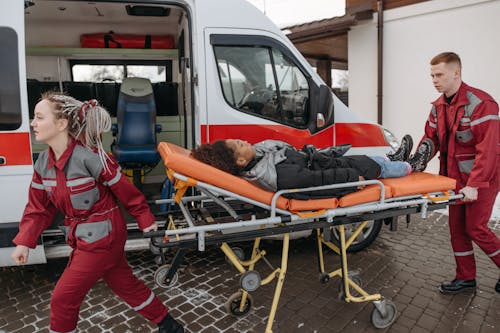
photo credit: Pavel Danilyuk / Pexels
Key Takeaways
- Effective communication between healthcare teams is essential for safe and coordinated patient transport.
- Proper preparation, including equipment checks and patient assessment, reduces risks during movement.
- Staff training in handling and mobility techniques protects both patients and healthcare workers.
- Technology and scheduling systems improve transport efficiency and reduce delays across departments.
- Patient comfort and infection control play a critical role in overall care quality during transport.
Shafila Rahman is a public health professional with experience in patient care coordination and hospital operations. After earning her master’s degree in public health from Emory University, Shafila Rahman worked at Emory Brain Health, where she managed patient interactions, coordinated sleep studies, and supported individuals navigating insurance processes. She later served as a Patient Transport Supervisor at Northeast Georgia Medical Center, overseeing daily transport operations, staff training, and safety protocols. In this role, she focused on ensuring that patients were moved safely and efficiently throughout the facility.
Her combined experience in patient coordination and transport supervision provides practical insight into best practices that support both patient safety and hospital workflow efficiency.
Best Practices for Safe and Efficient Patient Transport in Hospitals
Patient transport inside hospitals rarely attracts the same attention as surgery or diagnosis. Yet, it plays a steady role in how care unfolds each day. Healthcare staff move patients between wards, imaging departments, operating rooms, and recovery units as part of their care. Although basic, these actions affect patient safety and hospital efficiency. When transfers go well, medical teams can continue treatment, and patients receive the treatments they need.
Communication between staff members remains one of the most important elements of safe patient movement. Pre-transfer, nurses, doctors, and transport staff often share information. The transport team can prepare based on the patient’s condition, mobility, and medical equipment. For everyone, clear communication across departments makes travel safer and more predictable.
Preparation before transport also contributes to better outcomes. Medical staff often check whether a patient needs a bed, a wheelchair, or extra care during the trip. As the patient moves through the facility, oxygen, medication, and monitoring devices must be secure. A quick inspection of equipment and location can prevent transfer issues.
Another important practice involves assessing the patient’s physical condition shortly before movement begins. Some individuals may feel weak, confused, or unsteady from medication or disease. Others may have discomfort or breathing issues that require extra attention during transit. These variables help healthcare workers safely transport patients and provide the appropriate level of assistance.
Equipment selection also shapes patient transport safety. Hospitals use stretchers, wheelchairs, and adapted beds to meet patients’ specific needs. Secure posture on these gadgets reduces patient falls and injuries in corridors and elevators. Traveling with side rails, harnesses, and locking wheels is safer.
Training among hospital staff further supports effective patient transfers. Many healthcare groups teach proper lifting and mobility. These abilities allow staff to transfer patients from beds to transport devices without strain. Careful handling protects patients and healthcare workers, making the hospital safer.
Coordination between departments also influences the efficiency of patient transport. Diagnostic units, surgical teams, and inpatient wards often depend on shared transport staff to move patients throughout the facility. When requests arrive in an organized manner, transport teams can schedule their routes more effectively. Better coordination helps reduce waiting periods and prevents unnecessary congestion in hospital hallways.
Technology has also begun to help hospitals manage transport more effectively. Digital logistics systems enable staff to track patient movement requests and quickly assign transport teams. These systems often provide updates about patient location and transport progress. The result is a clearer picture of how patients move through the hospital during treatment.
Patient comfort remains another important consideration during transport. Navigating a busy medical environment can feel unsettling, especially for individuals already worried about their health. Transport staff often help ease this tension through simple conversation and reassurance. A calm presence during a brief journey through the hospital can influence how patients remember their care experience.
Infection control has also become an essential element of modern patient transport. Hospitals disinfect wheelchairs, stretchers, and other transfer equipment. These techniques decrease the spread of patient infections. Proper sanitation protects people whose health conditions make them more vulnerable.
Lastly, hospitals also benefit from periodically reviewing their transport procedures. Administrators examine transport delays, patient satisfaction, and safety reports to identify areas for improvement. These reviews may result in changes to staffing, scheduling, or training. Healthcare systems maintain safety and efficiency through continuous evaluation.
FAQs
Why is patient transport important in hospitals?
Patient transport is a key operational function that ensures individuals reach the departments where they receive care, such as imaging or surgery. Efficient transport helps maintain treatment schedules and supports overall hospital workflow. When managed well, it directly contributes to both patient safety and care quality.
What role does communication play in patient transport?
Clear communication between nurses, doctors, and transport staff ensures that everyone understands the patient’s condition and specific needs. This allows the transport team to prepare the correct equipment and level of assistance. Strong communication reduces errors and improves safety during transfers.
How do hospitals ensure patient safety during transport?
Hospitals use a combination of patient assessments, proper equipment, and trained staff to ensure safe movement. Devices such as stretchers and wheelchairs are secured with safety features like rails and locks. Regular checks and adherence to protocols minimize the risk of falls or complications.
How does technology improve patient transport efficiency?
Digital systems help hospitals track transport requests and assign staff more effectively. These tools provide real-time updates on patient movement and reduce delays between departments. As a result, hospitals can optimize workflows and improve overall operational efficiency.
What measures support patient comfort during transport?
Transport staff often provide reassurance and clear communication to help patients feel at ease during movement. Attention to physical comfort, such as proper positioning and smooth handling, also plays a role. These efforts contribute to a more positive patient experience throughout their care journey.
About Shafila Rahman
Shafila Rahman is a public health professional with experience in patient coordination and hospital transport operations. She served as a Patient Transport Supervisor at Northeast Georgia Medical Center, where she managed staff, scheduling, and safety procedures. Earlier in her career, she worked at Emory Brain Health coordinating patient care and sleep studies. Rahman holds a master’s degree in public health from Emory University and a business administration degree from Georgia Gwinnett College.