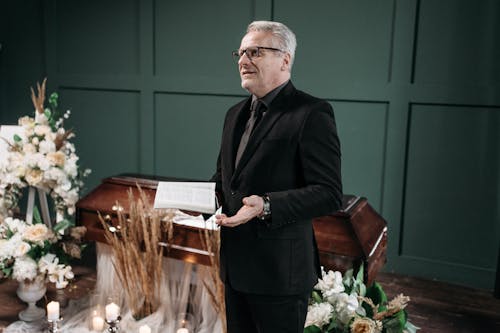
photo credit: Pavel Danilyuk / Pexels
Key Takeaways
- Funeral rituals help individuals move from intellectual understanding of loss to emotional acceptance.
- Personalized services allow families to honor a loved one’s life and legacy in meaningful ways.
- Gathering with others during funerals provides emotional support and strengthens connections.
- Funerals create a safe space for expressing a wide range of emotions, from grief to gratitude.
- Ongoing remembrance practices, such as memorial activities, help maintain connection and support healing over time.
Miguel Bandy, a seasoned funeral home manager and director-in-charge at Lincoln Funeral Home and Memorial Parks in the Dallas-Fort Worth area, brings extensive firsthand knowledge to the subject of grief support. Since joining the organization in 2024, he has worked closely with bereaved families, guiding them through arrangements and services during some of life’s most difficult moments. Drawing on years of experience at locations including Dignity Memorial and Crawford-Bowers Funeral Homes, and recognized in 2007 as one of the top 15 regional funeral directors in the Service Corporation International network, Bandy understands the profound role that funeral rituals play in emotional recovery.
His background in funeral service, combined with his commitment to compassionate care, informs his perspective on the importance of meaningful farewells.
How Funeral Rituals Help the Grieving Process
The death of a loved one is one of life’s most painful experiences, often leaving individuals feeling lost, overwhelmed, and unsure of how to move forward. During such moments many people seek comfort, guidance, or reassurance that their emotions are valid, and they are not alone in this.
Grief is a deeply personal journey, and although it differs from person to person, there are ways to better understand and cope with it. Funerals and their associated rituals can play a powerful role in this process, offering more than just a chance to say goodbye. Funeral directors, who work closely with grieving families, understand how essential these moments are in supporting emotional recovery and healing.
To begin healing, it’s important to first face the reality of the loss. When a loved one dies, accepting the finality of the loss is an important step in the grieving process. This acceptance often unfolds in two stages. Initially, individuals understand the death on an intellectual level. They receive the news and recognize that the person has died. With time, and through the support and compassion of others, this understanding gradually becomes emotional, as the reality begins to settle in the heart.
Funeral rituals can support this transition by helping individuals move from knowing about the loss to truly feeling it. Activities such as making arrangements, viewing the body, planning the service, and participating in the burial gently reinforce the reality of death. Witnessing these moments, particularly the final act of laying the person to rest, can help individuals begin to accept the permanence of the loss.
As individuals begin to come to terms with loss, finding meaningful ways to honor a loved one becomes an important part of the healing process. Funeral services offer various ways to say goodbye. In some cases, people plan their own funerals in advance, providing their families with guidance on how they wish to be remembered. When no plan exists, families can create a personalized farewell that reflects the deceased’s life and character. In either situation, funerals provide an opportunity to celebrate a unique life and offer a heartfelt tribute. Through eulogies, shared memories, music, and other personal elements, these ceremonies highlight the individual’s legacy and lasting impact.
Honoring the departed allows individuals to express love and gratitude while also helping them acknowledge and begin processing their grief in a healthy way.
In addition to personal reflection, coming together with others can provide comfort and strength during grief. Funerals bring together family, friends, colleagues, and others to honor the life and legacy of the person who has died. During such difficult times, this sense of connection can offer meaningful support. Being surrounded by others who share the loss allows individuals to reflect on their own relationships with the deceased while recognizing the impact that person had on many lives.
As stories and memories are shared, people often gain a deeper understanding of their loved one and themselves. This shared experience can strengthen existing relationships and even create new bonds rooted in mutual care and remembrance. Realizing that the departed touched many others can also bring comfort.
Funerals also create space for emotional release. Whether the gathering is large or small, these ceremonies provide a supportive environment where those who are grieving can openly express their feelings. Family members may experience pride, gratitude, or even moments of joy as they see others come together to honor their loved one. At the same time, certain moments, such as laying the body or remains to rest, can bring deep sadness. Shared memories may even spark laughter, offering a sense of relief amid grief. From happiness to sorrow, funerals allow emotions to be felt and expressed in a healthy and meaningful way.
In many cases, traditions and rituals provide structure and meaning during times of loss. Whether rooted in culture or religion, these practices offer meaningful ways to express emotions and honor the life of a loved one. Funeral rituals, in particular, serve as a reminder of how valuable and limited our time with the departed was, while also creating a respectful space to say goodbye. Acts such as prayers, burial ceremonies, or the sharing of poems can bring comfort and calm during an emotionally difficult period.
For those seeking meaningful ways to honor a loved one’s memory, a few simple practices can offer comfort and connection. Creating a memory box with letters, photos, and keepsakes helps preserve their story over time. Lighting a candle, especially on anniversaries or special dates, can provide a quiet moment of remembrance. Taking part in a walk or run for a cause they valued is another way to honor their legacy while helping others. Additionally, marking birthdays or anniversaries with shared stories and laughter can keep their memory present and meaningful.
FAQs
Why are funerals important in the grieving process?
Funerals provide structure and a space for individuals to confront and accept the reality of loss. They also offer an opportunity to honor the deceased and begin emotional healing.
How do funeral rituals help with emotional acceptance?
Participating in rituals such as viewings, services, and burials reinforces the finality of death. These experiences help individuals transition from intellectual awareness to emotional understanding.
Can funerals be personalized?
Yes, funerals can include personal elements such as music, eulogies, and shared memories. These details help reflect the unique life of the deceased and make the farewell more meaningful.
What role does community play during funerals?
Being surrounded by family and friends provides comfort and reassurance. Shared memories and support help individuals feel less alone in their grief.
Are there ways to continue honoring a loved one after the funeral?
Yes, practices such as creating memory boxes, lighting candles, or participating in meaningful activities can help preserve connection and support ongoing healing.
About Miguel Bandy
Miguel Bandy serves as manager and funeral director-in-charge at Lincoln Funeral Home and Memorial Parks, a position he has held since 2024. With prior experience at Dignity Memorial and Crawford-Bowers Funeral Homes, he earned recognition in 2007 as one of the top 15 regional funeral directors in the Service Corporation International network. He holds an applied science degree from the Dallas Institute of Funeral Service and studied political science and public policy at Eastern Illinois University. He is an active participant in both the Texas Funeral Directors Association and the National Funeral Directors Association.