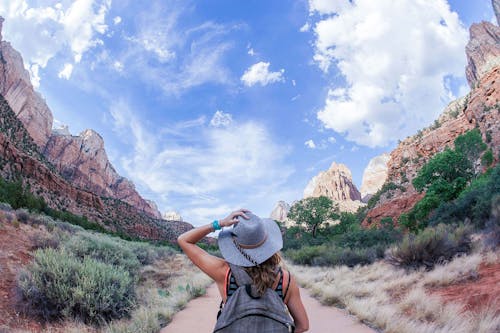
photo credit: Wouter de Jong / Pexels
Key Takeaways
- Visiting national parks during peak season requires planning beyond basic entry, including reservations and timing considerations.
- Timed entry systems and shuttle services can significantly impact how and when you access key areas.
- Arriving early improves your chances of avoiding crowds, securing parking, and maximizing your day.
- Weather conditions and limited services can still pose challenges, even during the most popular travel periods.
- Having flexible plans and backup options ensures a smoother experience when unexpected delays occur.
Anthony Curione is a New York-based emergency medical professional and travel writer whose experiences span healthcare, public service, and exploration. Based in Elmira, Anthony Curione works as an emergency medical assistant at Arnot Ogden Medical Center, where he collaborates with physicians, nurses, and first responders to provide critical patient care. He has also volunteered with fire departments and hospitals, supporting emergency response efforts. A graduate of the University at Buffalo with a degree in biochemistry, he holds certifications in emergency medical services and lifesaving techniques.
In addition to his medical career, he leads Curione Travel, where he documents destinations and shares insights from his visits to national parks and global locations, offering practical perspectives on travel planning and peak season challenges.
What to Know Before Visiting a National Park During Peak Season
Peak season means the busiest part of the park travel year, usually when visitation, parking demand, and traffic pressure are highest. During that stretch, some parks add timed entry rules, shuttle systems, or other access controls to manage demand and protect operations. Well-known parks often do this during summer and holiday travel windows. For a traveler, that means the visit must account for how the park operates under pressure, not just for what looks best on a map.
An entrance pass is not always the same thing as permission to arrive whenever desired. In some parks, a visitor also needs a timed entry reservation, meaning a reservation tied to a specific entry window or access rule. That distinction matters because a pass covers admission, while a timed entry reservation controls when a visitor or vehicle may enter certain areas. In parks that use timed entry, arriving outside the assigned window can mean waiting until a later entry period or losing access to the planned area for part of the day.
Arrival time can shape the whole visit before the day fully begins. Entering early may mean easier parking, shorter waits, and better access to popular roads, trailheads, or viewpoints before crowd pressure builds. Arriving later can mean starting the day after parking tightens, lines lengthen, or park staff slow entry into busy areas.
Shuttle systems can reshape movement just as much. In some high-use parks, shuttles become the main way visitors reach the busiest corridor or major stops during crowded periods. That changes where a traveler parks, how much transfer time to expect, and how carefully the day’s stops need to be ordered.
Peak season does not always mean easy conditions. In some parks, it still brings extreme heat, while in others it brings changing mountain weather, trail closures, or other limits that affect safe movement through the day. A popular travel month may look ideal on the calendar, but it still narrows realistic options once the day begins.
Support services also may not be as close together as first-time visitors expect. Some busy areas still have long gaps between fuel or food options. That makes planning more concrete: carrying enough water, fueling up before entry, and not assuming that supplies or staffed help will be close by later in the day.
Those limits matter even more when one delay pushes the rest of the schedule out of place. A slow entrance line, a missed timed entry window, or a longer shuttle transfer can force quick changes across the day. A late start may mean dropping a popular stop and shifting to a second-choice area with simpler access. That kind of adjustment is often practical, not minor, because some parks meter vehicle entry when parking fills, and others tie access to narrow time windows.
That is why backup plans matter during the busiest months. A second-choice trail, a different arrival window, or a less crowded section of the park can keep the visit useful when the original plan stops working. In peak season, flexibility is not a sign that the plan was weak. It is part of building a plan that can hold up under real conditions.
FAQs
What does peak season mean for national parks?
Peak season refers to the time of year when parks experience the highest number of visitors, often during summer or holidays. This leads to increased traffic, crowded facilities, and stricter access controls.
Do I need more than just an entrance pass to visit?
In some parks, yes – you may also need a timed entry reservation in addition to your entrance pass. These reservations control when you can enter specific areas and are often required during busy periods.
Why is arriving early important?
Arriving early helps you avoid long lines, secure parking, and access popular spots before they become crowded. It can make a significant difference in how much you’re able to see and do.
Are services like food and fuel easy to find inside parks?
Not always, as some parks have limited facilities spread far apart. It’s important to bring essentials like water and fuel up beforehand to avoid inconvenience later.
How can I prepare for unexpected changes during my visit?
Having backup plans, such as alternative trails or flexible schedules, can help you adapt to delays or restricted access. Being prepared allows you to make the most of your trip even when plans shift.
About Anthony Curione
Anthony Curione is an emergency medical assistant based in Elmira, New York, working at Arnot Ogden Medical Center. He holds a degree in biochemistry from the University at Buffalo and maintains certifications in emergency medical services, CPR, and lifesaving techniques. In addition to his medical work, he leads Curione Travel, where he shares travel insights and photography from destinations including national parks. He has also volunteered in fire departments and hospital settings.