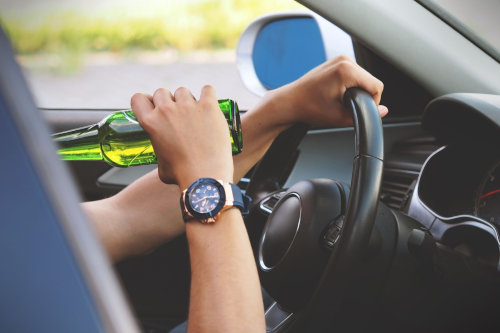
Key Takeaways
- Even small amounts of alcohol can impair driving skills, including judgment, reaction time, and attention.
- Blood alcohol concentration (BAC) limits are legal thresholds, not indicators of safe driving ability.
- Alcohol affects decision-making early, increasing the risk of misjudging speed, distance, and traffic conditions.
- Reduced reaction time and weakened focus can make it harder to respond to sudden changes on the road.
- The safest choice is to avoid driving altogether when alcohol is involved, regardless of how “fine” one feels.
Dr. Phillip Jeffrey Greene is a physician with a career in medicine that spans clinical practice, military service, and collaborative care. Based in the St. Louis region, Dr. Phillip Jeffrey Greene has served in roles ranging from primary care physician to hospitalist, while also working as a medical director and collaborating physician across multiple healthcare organizations. His experience includes providing care in forensic psychiatric settings and serving as a military physician in the United States Air Force Reserve. With a background in family medicine and patient care across diverse environments, his work reflects a focus on health, safety, and informed decision making.
This perspective aligns with understanding how alcohol consumption, even in small amounts, can influence physical and cognitive functions that are essential for safe driving.
Understanding How Even Small Amounts of Alcohol Affect Driving
After a dinner out, a party, or a quick stop for drinks, many people rely on appearance to assess driving risk. If a person does not look obviously drunk, the assumption is that driving ability is still mostly intact. Here, “small amounts” means alcohol levels below obvious intoxication, and sometimes even below the legal BAC limit, where driving-related skills can already begin to slip.
BAC, short for blood alcohol concentration, measures how much alcohol is in a person’s blood. It helps police enforce drunk-driving laws, but it is not a personal safety score. The legal BAC limit marks a threshold for enforcement, but alcohol can affect driving before a driver reaches that point.
One of the earliest problems is weaker judgment. A driver may misjudge the following distance, the speed of oncoming traffic, or the space needed to merge safely. A left turn across traffic can look manageable a moment too soon. The road has not changed, but the driver’s decision about it has.
Reaction time can also slow before a driver notices an obvious change in how they feel. When traffic stops suddenly or a pedestrian steps into a crosswalk, even a short delay leaves less time to brake or steer. That smaller margin makes a crash harder to avoid. The danger is not always dramatic movement, but lost time.
Driving also depends on divided attention, not just on keeping the car in its lane. A safe driver has to track traffic, check mirrors, read signals, adjust speed, and prepare for the next move at the same time. Alcohol can weaken that split focus early, even when the driver can still handle one task reasonably well.
Alcohol can also make visual tracking less reliable. A driver may have more trouble following the movement of other cars, reading changes ahead, or keeping pace with a fast-moving situation. Safe driving depends on noticing change early enough to respond in time.
Feeling “fine” does not restore judgment, timing, or lane control. A person may still speak normally and move without obvious imbalance, yet alcohol may already weaken driving performance. This is a self-assessment problem, not a question of how noticeable the drinking looks to someone else. Confidence after drinking is a poor test of driving ability.
The risk becomes clearer in high-demand conditions. Highway merging, dense traffic, quick lane changes, and busy intersections ask more from the driver than a quiet, straight road does. In those settings, even a small drop in reaction speed, visual tracking, or attention control can matter more because there is less room to recover from a mistake.
What makes this risk easy to underestimate is that driving often breaks down in small steps, not all at once. A late brake, a rushed turn, or a missed change in traffic can be enough when there is little time to recover. That is why the safest choice happens before the keys come out. When alcohol is part of the plan, the safer move is to remove the driving decision altogether.
FAQs
Can small amounts of alcohol really affect driving ability?
Yes, even low levels of alcohol can impair judgment, coordination, and reaction time. These subtle changes may not be noticeable but can still increase the risk of accidents.
What is BAC and why does it matter?
Blood alcohol concentration (BAC) measures the amount of alcohol in your bloodstream. While legal limits help enforce laws, impairment can begin before reaching those limits.
Why do people feel capable of driving after drinking?
Alcohol can create a false sense of confidence while reducing self-awareness. This makes it difficult for individuals to accurately judge their own level of impairment.
How does alcohol impact reaction time?
Alcohol slows the brain’s ability to process information and respond quickly. Even slight delays can reduce the time needed to brake or avoid hazards.
What is the safest approach when alcohol is involved?
The safest option is to plan ahead and avoid driving entirely after drinking. Using alternative transportation removes the risk and ensures safer outcomes for everyone.
About Dr. Phillip Jeffrey Greene
Dr. Phillip Jeffrey Greene is a physician with experience in primary care, hospital medicine, and military service. He earned his medical degree from the University of Missouri Medical School and has held roles with organizations such as Alton Forensic Psychiatric Hospital and South City Hospital. He also served as a physician in the United States Air Force Reserve. His work includes collaborating with healthcare teams and supporting patient care across multiple clinical settings.