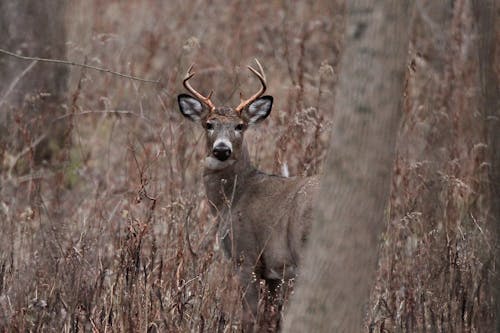
photo credit: John Baker / Pexels
Key Takeaways
- Successful deer hunting starts with understanding deer behavior, including movement patterns tied to food, water, and seasonal cycles.
- Knowing local hunting regulations is essential for safety, legality, and supporting wildlife conservation efforts.
- Basic, reliable equipment and proper preparation are more important than expensive or complex gear for beginners.
- Scouting, patience, and environmental awareness play a critical role in improving hunting success over time.
- Ethical practices and safety awareness are fundamental, ensuring responsible hunting and respect for wildlife and others.
Justin Dawson, MD, is a family medicine physician who has served the Pocahontas, Arkansas, community at Pocahontas Medical Clinic since 2002. Beyond his clinical practice, Dr. Justin Dawson has dedicated decades to volunteering, disaster relief, and international medical missions, including providing healthcare to remote Amazon villages and coastal communities in Belize and Colombia. He has also contributed to local wellness through free physical exams for students and educational presentations for first responders.
Outside of medicine, Dr. Dawson is an experienced outdoorsman with a longstanding interest in bass fishing and deer and duck hunting, making him well positioned to share practical insights on the subject of a beginner’s guide to deer hunting.
Beginner’s Guide to Deer Hunting
Deer hunting begins with understanding the animal, since behavior and habitat shape every aspect of the experience. Over time, deer migrate in established patterns tied to food, water, and shelter. Seasonal feeding and breeding cycles influence deer movement and activity. Beginners gain more from recognizing that success relies on knowing natural rhythms than pure luck.
Preparation also includes familiarity with local regulations, which vary by region and determine when and how hunting may take place. An organized framework for conservation and safety includes licensing, weaponry, and seasons. These rules enable regulated hunting while maintaining deer populations as part of wildlife management. Hunters must know these criteria before entering the field.
Equipment plays a practical role, though beginners often overstate its complexity. When chosen correctly, basic gear like clothing, a reliable weapon, and navigation equipment can be plenty. Blending in and adapting to changing weather is more valuable than pricey or specialist clothing. Experience helps hunters make better decisions, but early efforts should be simple and reliable.
Scouting introduces a more observational aspect of hunting, where time spent studying terrain becomes as important as time spent actively hunting. Signs like tracks, droppings, and messed-up plants can show trends that aren’t always clear. Activity is higher around food plots, woodland boundaries, and water sources, especially at dawn and dusk. This technique eventually reveals how deer move over a region, making the new ground more understandable.
Patience emerges as a defining characteristic of the experience, particularly for those new to the practice. Long periods of waiting can pass without visible activity, yet these intervals contribute to awareness of subtle environmental cues. Sounds, wind direction, and shifting light conditions all influence how deer behave and how easily they can detect a human presence. Over time, patience evolves from passive waiting into an active form of observation that shapes decision-making.
Ethical considerations also play a central role in deer hunting, shaping how individuals approach both the animal and the environment. Responsible hunting practices emphasize respect for wildlife, including efforts to ensure a humane and efficient harvest. This perspective extends to minimizing waste and using the animal thoughtfully. Ethical awareness reinforces the idea that hunting operates within a broader ecological system rather than as an isolated activity.
Safety remains a constant concern, especially when firearms or other hunting tools are involved. Clear identification of targets, awareness of surroundings, and proper handling of equipment reduce the risk of accidents. Many beginners find that safety habits become routine with repetition, shaping how they move and react in the field. This awareness contributes not only to personal well-being but also to the safety of others nearby.
Weather conditions introduce another layer of complexity, often influencing both deer behavior and the hunter’s approach. Cooler temperatures promote mobility, while wind and precipitation change fragrance. Hunters begin to understand these nuances and modify their expectations and positioning. Environmental awareness is crucial, as the weather can transform a day.
The learning process in deer hunting unfolds gradually, with each outing adding to a broader understanding of the practice. People often learn from their mistakes and missed opportunities, and these lessons help them make better choices in ways that instruction alone cannot. The more you do something, the better you get at timing, moving, and noticing things. This gets better over time.
In the end, deer hunting introduces a relationship with the natural world that extends beyond the pursuit itself. Paying attention to details replaces rushing, and results become less reliable as the process goes on. For beginners, the more interesting part is often seeing their views change as they discover patterns and meanings in settings they had not seen before.
FAQs
What is the most important skill for beginner deer hunters?
Understanding deer behavior and movement patterns is key. Learning how deer respond to their environment helps beginners make better decisions in the field.
Do I need expensive equipment to start deer hunting?
No, beginners can start with basic, reliable gear. Proper clothing, a dependable weapon, and navigation tools are usually sufficient for early success.
Why is scouting important in deer hunting?
Scouting helps hunters identify signs like tracks and feeding areas. This knowledge improves positioning and increases the chances of encountering deer.
How important are hunting regulations?
Regulations are critical for safety and conservation. They define when, where, and how hunting is allowed, helping maintain healthy wildlife populations.
What role does patience play in deer hunting?
Patience allows hunters to observe subtle environmental cues and wait for the right opportunity. Over time, it becomes an active skill that improves decision-making.
About Justin Dawson
Justin Dawson, MD, has practiced family medicine in Pocahontas, Arkansas, at Pocahontas Medical Clinic for nearly 25 years. He is a member of the American Academy of Family Physicians, the Arkansas Medical Society, and the Arkansas Academy of Family Physicians, having previously served as the organization’s president. Dr. Dawson earned his medical degree from the University of Arkansas for Medical Sciences and completed his residency in Jonesboro. He received the Public Health Hero, Northeast Region, award in 2007 and was recognized by the Arkansas Congress for his response during the COVID-19 pandemic.