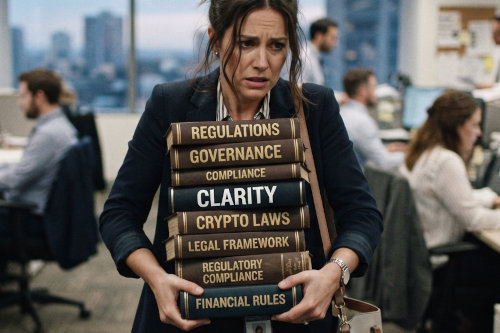
Edward Adams: The Case for Non-Lawyer Ownership of Law Firms

Non-lawyer law firm ownership

photo credit: Sora Shimazaki / Pexels

Key Takeaways

  • Debates over non-lawyer ownership of law firms center on whether traditional restrictions limit innovation, investment, and access to affordable legal services.
  • Alternative business structures adopted in jurisdictions such as Arizona, Utah, and international markets demonstrate new approaches to delivering legal services.
  • Supporters argue that outside investment and business expertise could help law firms adopt technology, improve efficiency, and serve more clients.
  • Critics remain concerned that non-lawyer ownership could create conflicts between commercial interests and lawyers’ professional responsibilities.
  • The future of law firm ownership will likely depend on carefully regulated models that encourage innovation while preserving legal ethics and independent judgment.
Continue reading

Why Lyft Accident Cases are Different than Other Car Wrecks

RIdeshare accident claims

photo credit: CC0

Key Takeaways

  • Lyft accident claims are more complex than standard car accidents because they involve multiple insurance policies and commercial coverage rules.
  • The driver’s status within the Lyft app determines which insurance policy applies after a collision.
  • Digital evidence from the Lyft platform can play a critical role in establishing liability and insurance coverage.
  • Independent contractor classifications create legal challenges that differ from accidents involving traditional employees.
  • Prompt documentation, medical treatment, and experienced legal guidance can significantly strengthen a Lyft accident claim.
Continue reading

The Copyright Collision: How Generative AI is Rewriting the Laws of Digital Art

Generative AI art copyright infringement

photo credit: Christie Photography / Pexels

Key Takeaways

  • AI-generated art has sparked major legal disputes over whether using copyrighted works as training data qualifies as fair use or copyright infringement.
  • Current U.S. copyright policy requires meaningful human authorship, meaning purely AI-generated images generally cannot receive copyright protection.
  • Artists are increasingly using lawsuits and the Digital Millennium Copyright Act (DMCA) to challenge unauthorized use of their creative works in AI training datasets.
  • Businesses using AI-generated visual assets should understand the potential intellectual property risks before relying on them for branding or commercial purposes.
  • As courts continue to address these issues, the legal framework surrounding AI, digital art, and copyright is expected to evolve significantly.
Continue reading

Hiring a Personal Injury Lawyer: How We Help You Choose the Right Attorney and Maximize Your Recovery

Personal injury lawyer

photo credit: Rawpixel

Key Takeaways

  • Choosing the right personal injury lawyer can significantly impact the compensation you recover after a serious accident.
  • Experienced attorneys preserve critical evidence, build strong cases, and negotiate from a position of trial readiness.
  • Complex injury claims often require expert witnesses, medical specialists, and detailed future damages analysis.
  • Early legal representation helps protect your rights, preserve evidence, and strengthen your claim against insurers.
  • A qualified personal injury lawyer focuses on maximizing long-term compensation rather than securing a quick settlement.
Continue reading

Jonathan Sablone: Understanding What a Chambers Ranking Means for Lawyers

Personal lawyer

photo credit: Rawpixel

Key Takeaways

  • A Chambers ranking recognizes lawyers or law firms within specific practice areas and geographic markets.
  • Chambers rankings are based on research, client feedback, representative matters, and industry evaluation.
  • A ranking is most meaningful when it closely matches the client’s legal issue and jurisdiction.
  • Being ranked does not guarantee overall fit, communication style, or pricing compatibility for every client.
  • Clients should view Chambers rankings as a starting point rather than the sole factor in selecting legal counsel.
Continue reading

Kathleen Campbell Davis: Benefits of Settling Civil Cases Out of Court

Civil case settlement

photo credit: Pavel Danilyuk / Pexels

Key Takeaways

  • Settling civil cases out of court can significantly reduce legal expenses by avoiding the prolonged costs associated with litigation, court filings, and extended attorney involvement.
  • Alternative dispute resolution methods such as negotiation and mediation often resolve conflicts faster than traditional court proceedings, allowing parties to move forward more quickly.
  • Out-of-court settlements provide greater control over outcomes by enabling both parties to negotiate mutually acceptable terms rather than relying on a judge or jury decision.
  • Confidential settlement agreements help protect sensitive personal, financial, or business information from becoming part of the public record.
  • Settlement agreements can preserve professional and personal relationships while offering flexible, customized solutions that address the unique needs of each dispute.
Continue reading

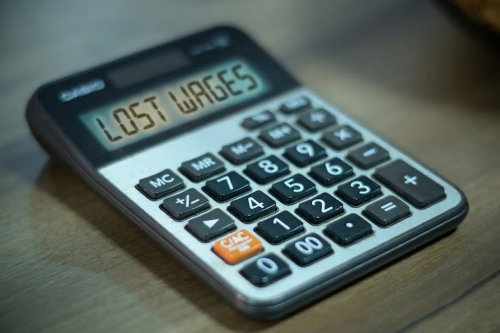
How a Work Accident Calculator Can Uncover Lost Wages

Work accident calculator

photo credit: Dione Neris / Pexels (edited)

Key Takeaways

  • A work accident calculator helps injured workers identify lost income beyond basic missed wages, including overtime, bonuses, and future earning reductions.
  • Workplace injuries can lead to long-term financial consequences such as reduced work hours, delayed promotions, and career setbacks.
  • Accurate wage tracking and compensation estimates can support stronger workers’ compensation or insurance claims.
  • Common workplace accidents such as falls, vehicle crashes, repetitive strain injuries, and falling objects frequently contribute to extended wage losses.
  • Using organized financial calculations can reduce stress during recovery by helping workers better understand and document their financial situation.
Continue reading

Sohan Dasgupta: Understanding How Sanctions Shape the Global Economy

Sanction

photo credit: Rawpixel.com

Key Takeaways

  • Economic sanctions are used by governments and international organizations to influence behavior through financial and trade restrictions.
  • Sanctions can disrupt supply chains, capital flows, commodity markets, and access to global financial systems.
  • Targeted economies often respond by diversifying trade partners, increasing domestic production, or adopting alternative payment systems.
  • Sanctions may also create unintended economic consequences for businesses, investors, and third-country economies.
  • Over time, sanctions can accelerate broader shifts toward regionalization, financial diversification, and geopolitical risk management.
Continue reading

The Architecture of Manipulation: When Marketing Technology Becomes a Legal Liability

Dark patterns

photo credit: www.kaboompics.com / Pexels

Key Takeaways

  • Modern marketing has evolved into a data-driven system that can influence consumer decisions at a highly granular level.
  • Dark patterns are designed to manipulate user behavior, often leading to unintended purchases or difficult-to-cancel subscriptions.
  • These practices may generate short-term profits but are increasingly attracting regulatory scrutiny and legal consequences.
  • The distinction between legitimate marketing and consumer fraud depends on transparency, intent, and informed consent.
  • As technology advances, businesses must balance optimization strategies with ethical responsibility and legal compliance.
Continue reading

Ellis Abramson: Important Boating Rules and Regulations for Safer Time on the Water

Boating

photo credit: Sayan Samanta / Pexels

Key Takeaways

  • Boating safety begins with understanding and following local, state, and federal regulations, which can vary by location.
  • Basic navigation rules, such as maintaining safe speed, keeping a proper lookout, and yielding appropriately, are essential for preventing accidents.
  • All boats must carry required safety equipment, including life jackets, signaling devices, and fire extinguishers, depending on vessel type and size.
  • Boating under the influence is illegal and significantly increases the risk of accidents and injuries on the water.
  • Completing a boating education course can improve safety awareness and is often required to obtain a boating license.
Continue reading