Key Takeaways
- Counterfeit pharmaceuticals pose serious risks to patient safety and global supply chain integrity.
- Tamper-evident packaging remains a foundational defense against product alteration.
- Serialization enables item-level tracking and regulatory compliance across distribution networks.
- Digital tools such as RFID, NFC, and QR codes improve authentication and traceability.
- Layered security combining physical, digital, and material features is most effective.
Drawing on a career that spans nonprofit leadership, public sector engagement, and executive management, Neil Alpert brings a multidisciplinary perspective to complex challenges affecting regulated industries. Based in Washington, DC, he has led organizations and advised clients on governance, operational strategy, and risk management across healthcare, technology, and public policy environments. Early in his career, Neil Alpert held senior development roles with national organizations including the American Cancer Society and the American Red Cross, where he managed large-scale fundraising operations and worked closely with state and government partners. He later served as chief executive officer of LaserLock Technologies, a company focused on authentication and brand protection solutions, guiding its recapitalization and eventual sale.
Through executive leadership, board service, and congressional testimony, his experience aligns closely with the evolving demands of pharmaceutical packaging security and anti-counterfeiting technologies.
Anti-Counterfeiting Technologies in Pharmaceutical Packaging
Counterfeit pharmaceuticals represent one of the most significant global threats to public health and the integrity of legitimate medical supply chains. The World Health Organization estimates that falsified and substandard medications account for roughly 10 percent of all medical products in low- and middle-income countries, with counterfeit drug trafficking valued at between $200 billion and $432 billion worldwide. These falsified products can contain incorrect or dangerous ingredients and may cause serious harm to patients.
As criminal operations have grown more sophisticated, the pharmaceutical industry has turned to packaging innovation as a central defense mechanism in preventing counterfeiting and safeguarding medication authenticity.
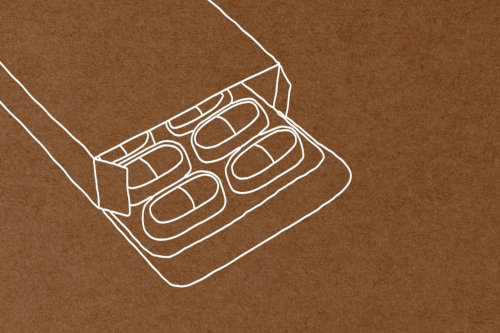
The first line of defense emerged in the 1980s in response to incidents of product tampering. Following these events, the U.S. Food and Drug Administration implemented regulations that required over-the-counter medications to include tamper-evident packaging features. Such packaging provides visible indicators if a product has been opened or altered after manufacturing but before reaching the consumer. Pharmaceutical blister packs remain one of the most recognizable examples, as they clearly reveal any damage to the foil or cavity.
Today, tamper-evident design continues to serve as a vital deterrent, particularly as online pharmaceutical sales expand and products change hands through increasingly complex supply chains.
While physical barriers serve an important purpose, they are most effective when combined with advanced digital technologies. Serialization assigning unique identifiers to each unit of medication has become a foundational anti-counterfeit measure. Supported by regulations such as the U.S. Drug Supply Chain Security Act and the European Union’s Falsified Medicines Directive, serialization enables item-level tracking throughout production and distribution. Each identifier provides a digital audit trail that verifies authenticity and detects irregularities in real time.
The integration of blockchain technology enhances this system by recording each step in the supply chain in an immutable ledger, creating transparent and tamper-proof records of product movement.
In addition to serialization, several authentication tools have been developed to strengthen security. Radio Frequency Identification RFID and Near Field Communication NFC technologies allow for contactless verification through embedded tags, enabling stakeholders or consumers to confirm authenticity with a scanner or smartphone. QR codes and data-matrix symbols also provide accessible verification methods, connecting users directly to secure databases that confirm product origin and handling. These technologies not only help detect counterfeit products but also improve traceability and efficiency across the distribution network.
Visual and material-based authentication features further enhance protection. Holographic labels, color-shifting inks, microtext, and covert taggants create complex identifiers that are difficult for counterfeiters to replicate. Many of these materials respond to ultraviolet light or magnification, adding hidden layers of verification for manufacturers and inspectors. When combined with digital tracking systems, these optical features contribute to a multi-layered security framework that discourages tampering and duplication.
As counterfeit operations continue to evolve, so too does the technology designed to counter them. Emerging innovations include DNA-based authentication markers and smart materials that react to temperature changes or tampering attempts. Artificial intelligence and the Internet of Things are expected to play increasing roles in monitoring supply chains and predicting risks before they occur.
In an industry where patient safety and product trust are paramount, pharmaceutical packaging has become a crucial instrument in combating counterfeiting. Through the integration of physical safeguards, digital verification, and regulatory compliance, manufacturers are developing comprehensive systems that protect both consumers and the integrity of global healthcare delivery.
FAQs
Why is pharmaceutical packaging critical in preventing counterfeiting?
Packaging serves as the first line of defense by making tampering visible and harder to conceal. When combined with digital tracking, it helps verify authenticity throughout the supply chain.
What is serialization in pharmaceutical packaging?
Serialization assigns a unique identifier to each unit of medication. This allows manufacturers and regulators to track products and detect irregularities in real time.
How do RFID and NFC technologies support drug authentication?
RFID and NFC enable contactless verification using scanners or smartphones. They allow stakeholders and consumers to confirm product authenticity quickly.
What role do visual security features play?
Features such as holograms, microtext, and color-shifting inks are difficult to replicate. They add an additional layer of protection when paired with digital systems.
What new technologies are emerging to fight counterfeiting?
Innovations include DNA-based markers, smart materials, and AI-driven supply chain monitoring. These tools aim to anticipate and prevent counterfeiting before it occurs.
About Neil Alpert
Neil Alpert is an entrepreneur and executive with experience spanning nonprofit leadership, public policy, and technology-focused organizations. He has held senior roles with the American Cancer Society, the American Red Cross, and LaserLock Technologies, where he served as chief executive officer and president. His work has included capital raising, organizational turnaround efforts, and advisory engagements for growing companies. In addition to executive leadership, he has contributed to national security and infrastructure discussions through advisory roles and professional testimony.