
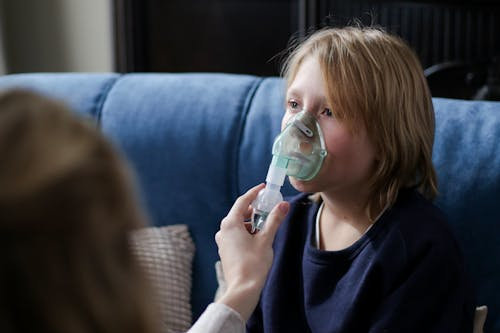
photo credit: Cottonbro Studio / Pexels
Key Takeaways
- Early detection and consistent care are essential for effectively managing pediatric asthma and improving a child’s quality of life.
- Asthma symptoms in children can vary widely, making accurate diagnosis and ongoing monitoring crucial.
- Treatment typically includes both quick-relief medications and long-term strategies to control inflammation.
- Identifying and avoiding individual triggers can significantly reduce the frequency and severity of asthma attacks.
- Education for both parents and children plays a vital role in recognizing symptoms and managing asthma confidently.
A pediatrician serving families in Southern California, Dr. Rene Salhab emphasizes the importance of early detection and consistent care. Asthma is one of the most common chronic conditions affecting children, and according to experts such as Dr. Rene Salhab, early recognition and proper management can improve a child’s quality of life. In fact, medical experts confirm that asthma is a leading cause of missed school days and hospitalization in the United States. While asthma is a long-term condition with no cure, it can be effectively managed.
Asthma is a chronic lung disease that causes inflammation and narrowing of the airways, making breathing difficult. Children with asthma often experience symptoms such as wheezing, coughing (especially at night), shortness of breath, and chest tightness. These symptoms can range from mild to severe and may worsen during asthma attacks, which may become life-threatening if not properly managed.
Proper diagnosis is a key component of effective asthma management. Because asthma symptoms can mimic other respiratory conditions, healthcare providers use a combination of medical history, physical exams, and sometimes lung function testing. In younger children, diagnosis relies more on symptom identification and monitoring. Because some asthma tests aren’t accurate in children under five years old, doctors may need to observe symptoms over time and evaluate responses to different asthma medications until the child is older.
Treatment typically involves both quick-relief and long-term control strategies. Quick-relief medications, such as rescue inhalers, help open airways during an asthma attack, while long-term medications help prevent symptoms by reducing inflammation. Families can also work with a pediatrician to create an asthma action plan, which is a personalized care plan that helps parents and caregivers respond effectively to symptoms and emergencies.
Another important aspect of asthma care is identifying triggers. These triggers vary by child, but commonly include allergens such as dust mites, pollen, mold, and pet dander. Exercise, respiratory infections, and environmental factors like cold air and air pollution can also contribute to flare-ups. Understanding these triggers allows families to take preventive steps and reduce the frequency of asthma attacks.
Beyond management and treatment, families can discuss strategies for preventing symptoms and avoiding asthma triggers with their child and their child’s pediatrician. Maintaining a clean home environment, reducing exposure to allergens, and encouraging appropriate physical activity can help keep asthma under control. Routine medical care also plays a role, as regular check-ups allow providers to monitor the child’s condition and adjust treatment as needed. Preventive care can help reduce respiratory infections that may trigger asthma symptoms.
Education is likewise essential for successful asthma management. Parents should understand how to use inhalers correctly, recognize warning signs of worsening symptoms, and follow prescribed treatment plans. Older children can also learn to manage their condition by identifying symptoms early and seeking help when needed.
Ultimately, asthma doesn’t have to limit a child’s potential. Many children see improvement as they grow older, and with the right care plan, they can lead active, healthy lives. With guidance from pediatricians and support from informed caregivers, families can take control of the condition and reduce its impact. Early intervention, consistent treatment, and ongoing education remain the foundation of effective asthma care.
FAQs
What are the common symptoms of asthma in children?
Children with asthma often experience wheezing, coughing (especially at night), shortness of breath, and chest tightness. These symptoms can vary in severity and may worsen during asthma attacks.
How is asthma diagnosed in young children?
Diagnosis typically involves reviewing medical history, observing symptoms, and conducting physical exams. In very young children, doctors may rely on monitoring symptoms over time since certain tests are less accurate under age five.
What types of treatments are available for pediatric asthma?
Treatment usually includes quick-relief medications like rescue inhalers and long-term control medications to reduce inflammation. A personalized asthma action plan also helps families manage symptoms and respond to emergencies effectively.
What are common asthma triggers for children?
Triggers often include allergens such as dust mites, pollen, mold, and pet dander, as well as cold air and respiratory infections. Identifying these triggers allows families to take preventive steps and reduce flare-ups.
Can children with asthma live active lives?
Yes, with proper management and treatment, most children with asthma can participate in normal activities, including sports. Many children even see improvement as they grow older with consistent care.

