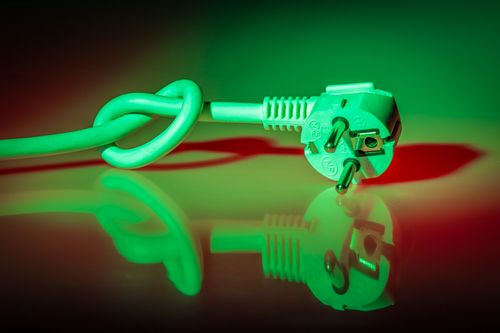
photo credit: Tom Analogicus / Pexels
Key Takeaways
- Business energy consumption depends on factors such as business size, operating hours, equipment, and the activities carried out on the premises.
- Energy contract terms, including fixed or variable rates, can significantly affect costs and the predictability of monthly expenses.
- Wholesale energy market movements influence the rates suppliers offer, particularly when businesses renew their contracts.
- Standing charges apply regardless of energy consumption, making it important to compare both daily fees and unit rates when choosing a tariff.
- Building insulation, equipment efficiency, maintenance, and seasonal demand can all affect how much energy a business uses and how much it pays.
If you run a business in the UK, you will know that energy is one of those expenses that is difficult to avoid. Whether you manage a small office, own a shop or operate a busy warehouse, electricity and gas are part of your everyday running costs. What is less obvious, however, is why one business pays considerably more for energy than another.
There is no single answer. The amount on your bill depends on several things, including how much energy you use, the type of contract you have and even the condition of your business premises. Understanding these factors can help you spot where money is being spent and whether there is room to reduce your costs.
How Much Energy Does Your Business Use?
Your energy consumption has a direct impact on your bill. A business that relies on industrial machinery, commercial refrigeration or large heating systems will naturally have different energy requirements from a small office.
But the size of a business does not always tell the whole story. A restaurant, for instance, may use electricity and gas throughout the day for cooking, lighting, refrigeration and ventilation. A retail shop might have fewer appliances but keep its lights and heating on for long opening hours.
The number of hours your premises are occupied also matters. Businesses that operate during evenings, weekends or overnight will generally have different consumption patterns from those that follow standard office hours.
Your Energy Contract Makes a Difference
It is quite common for businesses to renew their energy contracts without giving much thought to the rates they are agreeing to. With so many other responsibilities to manage, checking the market can easily slip down the priority list.
However, your tariff can make a real difference to what you pay. A fixed-rate contract keeps the agreed unit rate unchanged during the contract period, making it easier to forecast energy expenses. A variable-rate agreement may offer more flexibility, although prices can change depending on the terms of the contract.
It is worth comparing available business energy deals with Eco Save before your current agreement ends. Even a small difference in the price per unit can add up over time, particularly for businesses with high energy consumption.
Changes in Wholesale Energy Prices
You may have noticed that energy prices sometimes rise even when your business has not changed how much electricity or gas it uses. This is partly because suppliers are affected by movements in the wholesale energy market.
Wholesale prices are influenced by several factors, including international demand, fuel availability, weather conditions and political events. Gas prices are particularly important because gas-fired power stations contribute to electricity generation in the UK.
These changes do not always appear immediately on business energy bills. If you are on a fixed-rate contract, your agreed unit price will normally remain the same until the contract ends. However, wholesale market conditions can influence the rates suppliers offer when businesses come to renew.
Why Standing Charges Matter
Looking at your energy consumption alone will not explain the full amount you pay. Business energy bills also include standing charges, which are daily fees applied regardless of how much energy you use.
These charges cover various costs associated with supplying energy to your premises, including network infrastructure and meter-related services. They can vary depending on the supplier, tariff and location.
This is why it is important to look beyond the advertised unit rate when comparing energy deals. A tariff with a lower unit price may not necessarily work out cheaper if its standing charge is considerably higher.
The Condition of Your Business Premises
The building itself can have more influence on energy costs than many business owners realise. An older property with poor insulation, draughty windows or an inefficient heating system will often require more energy to stay comfortable.
For example, a shop with poorly insulated windows may lose heat throughout the winter, meaning the heating needs to run for longer. Large warehouses can face similar problems, particularly where high ceilings make temperature control more difficult.
Simple improvements, such as sealing gaps around doors, improving roof insulation and replacing outdated heating controls, can help prevent energy from being wasted.
The Equipment You Rely On
Every business uses equipment, but some appliances consume far more energy than others. Commercial ovens, refrigeration units, air conditioning systems and industrial machinery can all contribute significantly to monthly bills.
Older equipment is worth paying particular attention to. It may still work perfectly well, but that does not necessarily mean it is economical to run. Modern energy-efficient alternatives can use considerably less electricity while delivering the same level of performance.
Regular servicing is equally important. When equipment is poorly maintained, it may need to work harder than necessary, adding to energy consumption.
Seasonal Changes and Their Effect on Bills
Energy use rarely stays the same throughout the year. During colder months, businesses tend to spend more on heating and lighting, particularly when premises open early or close late.
Summer brings a different set of demands. Air conditioning, refrigeration and ventilation systems may run for longer, especially in restaurants, hotels and retail environments.
Looking at previous bills can help businesses recognise these seasonal patterns and plan their budgets around periods when energy consumption is usually higher.
FAQs
What factors affect a business energy bill in the UK?
Business energy bills are influenced by consumption levels, contract rates, wholesale market conditions, standing charges, and the characteristics of the premises. Equipment efficiency, operating hours, and seasonal demand can also make a significant difference.
Why do businesses pay different amounts for energy?
Businesses have different energy requirements depending on their industry, equipment, operating schedules, and property characteristics. Their contract terms, supplier rates, standing charges, and geographical location can also contribute to differences in energy costs.
What is the difference between fixed-rate and variable-rate business energy contracts?
A fixed-rate contract keeps the agreed unit rate unchanged for the specified contract period, helping businesses forecast their energy expenses. A variable-rate agreement allows prices to change according to its terms, which can make future costs less predictable.
What are standing charges on a business energy bill?
Standing charges are daily fees that businesses pay for their energy supply regardless of how much electricity or gas they consume. These charges help cover costs associated with maintaining the energy network and providing services such as meter-related support.
How can a business reduce its energy costs?
Businesses can review their energy contracts, compare tariffs, improve insulation, upgrade inefficient equipment, and maintain heating and cooling systems. Monitoring consumption patterns and adjusting energy use to match operating requirements can also help reduce unnecessary expenditure.