Key Takeaways
- Online marketplaces give collectors access to a wider selection of collectibles, making it easier to find rare, discontinued, or niche items beyond local shops and fairs.
- Choosing the right collectible marketplace involves evaluating its search features, listing quality, seller information, and the types of items available.
- Buyers should carefully assess photographs, descriptions, item condition, authenticity, seller reviews, shipping costs, and return policies before purchasing collectibles online.
- Online selling allows collectors to reach a broader audience, and clear photographs, accurate descriptions, fair pricing, and careful packaging can improve the selling experience.
- Digital marketplaces extend the social side of collecting by helping enthusiasts share knowledge, exchange experiences, and connect with collectors around the world.
Collecting is a hobby that means different things to different people. Some enjoy searching for old coins, others spend years building a collection of trading cards, vintage toys or sports memorabilia. Whatever the interest, there is always a certain satisfaction in finding a piece that has been missing from a collection for months, or even years.
Not so long ago, collectors often had to visit specialist shops, flea markets and fairs to find what they were looking for. These places are still worth visiting, but the internet has made things considerably easier. Today, it is possible to find items from sellers across the world without leaving home.
A Much Wider Choice for Collectors
One of the biggest advantages of buying online is the range of items available. A local shop may have a few interesting pieces, but an online marketplace can offer hundreds of listings in the same category.
This is especially helpful when looking for something quite specific. Finding an old football shirt, a particular trading card or a vintage model that is no longer produced can take a lot of time. Online searches make it easier to compare different listings and get a better idea of what is available.
There is also the convenience factor. Collectors can browse whenever they have a spare moment, save interesting listings and come back to them later. There is no need to travel to another town or wait for the next collector fair to see what is on offer.
For sellers, the benefits are just as clear. Instead of relying on local buyers, they can reach people who share the same interests, even if they live in another country.
Choosing the Right Platform
With so many websites available, finding a marketplace that suits your needs is important. Some platforms cover almost everything, while others are more focused on particular types of collectibles.
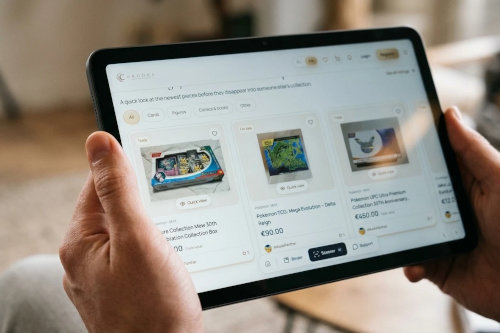
Cardora is a name to explore within the online collecting space. As with any marketplace, it is worth taking a look at how the platform works, what kinds of items are listed and what options are available for buyers and sellers. A straightforward layout and useful search features can make a real difference when you are trying to find a particular item.
It also helps when listings provide enough information to make a decision. Good photographs, clear descriptions and honest details about condition are essential. Nobody wants to buy something expecting it to be in excellent shape, only to discover that it has scratches, missing parts or other damage.
Being Careful When Buying Collectibles Online
Buying collectibles is not quite the same as ordering an everyday product. The condition, age and rarity of an item can have a big influence on its value. Even small differences can matter, particularly when dealing with older or limited-edition pieces.
Before paying, take a proper look at the photographs and read the description rather than relying on the title alone. If something is unclear, contact the seller and ask for more details. For expensive items, it may also be worth checking whether there is proof of authenticity or any documentation available.
Seller reviews are another useful thing to look at. They can give you an idea of how someone handles orders and communicates with buyers. It is also sensible to check delivery costs, payment options and return conditions before completing a purchase.
A low price can be tempting, but it does not always mean you are getting a good deal. Sometimes paying a little more for an item in better condition is the smarter choice.
Selling Items and Making Room for New Finds
Collections tend to change over time. People lose interest in certain categories, find something new to collect or simply run out of space. Selling online is a practical way to pass unwanted items on to someone who will appreciate them.
The way an item is presented matters. Clear photographs taken from different angles, an accurate description and a fair asking price can help attract serious buyers. It is also important to pack everything properly. Trading cards, fragile models and older memorabilia can easily be damaged if they are not protected during delivery.
Being honest about an item’s condition is just as important as setting the right price. A good buying experience encourages people to return, and a reliable seller can gradually build a positive reputation.
More Than Just Buying and Selling
For many people, collecting is as much about the people they meet as the objects themselves. There is always something to learn from someone who has spent years following a particular hobby. Collectors enjoy comparing finds, discussing prices and sharing stories about unusual pieces.
Online platforms have made these conversations easier, bringing enthusiasts together even when they live thousands of miles apart. For newcomers, this can be particularly helpful when deciding what to collect or learning how to recognise an authentic item.
The hobby may have changed with the arrival of digital marketplaces, but the excitement of finding something special remains the same. Whether it is a rare card, an old toy or a piece of memorabilia, there is still plenty of enjoyment in discovering an item that deserves a place in your collection.
FAQs
What are the advantages of buying collectibles online?
Online marketplaces offer collectors access to a wider selection of items than many local shops, including rare, discontinued, and specialized collectibles. They also make it easier to compare prices, browse listings at any time, and connect with sellers from different regions or countries.
How do you choose the right online marketplace for collectibles?
Collectors should consider the marketplace’s selection, search functionality, listing quality, seller information, payment options, and buyer protections. Choosing a platform that suits the type of collectibles being purchased can make the buying process more convenient and transparent.
What should buyers check before purchasing collectibles online?
Buyers should review photographs, item descriptions, condition details, seller feedback, delivery costs, and return policies before making a purchase. For valuable or rare items, checking authentication documentation or requesting additional information can help reduce the risk of purchasing counterfeit or misrepresented collectibles.
How can collectors sell their items successfully online?
Successful sellers typically provide clear photographs, accurate descriptions, honest condition assessments, and reasonable asking prices to attract potential buyers. Secure packaging, reliable shipping, and responsive communication can also help build trust and encourage repeat business.
How do online marketplaces help collectors connect with one another?
Online marketplaces and digital collecting communities allow enthusiasts to exchange information, share discoveries, discuss valuations, and learn about specific collectible categories. These connections can help newcomers develop their knowledge while making collecting more engaging for experienced hobbyists.