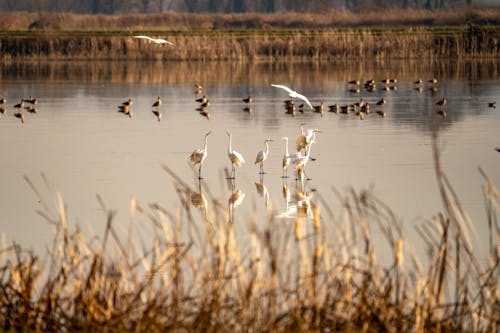
photo credit: Vladimir Srajber / Pexels
Key Takeaways
- Wetlands provide essential ecological benefits, including water filtration, flood control, and biodiversity support.
- Conservation is guided by regulations like the Clean Water Act, requiring permits for activities that impact wetlands.
- Mitigation programs aim to replace lost wetlands, but their effectiveness depends on proper design and execution.
- Inconsistent enforcement and regulatory loopholes can weaken conservation efforts and allow environmental harm.
- Long-term success requires ongoing monitoring, scientific input, and collaboration between stakeholders.
Steven Bankert is a North Attleborough, Massachusetts business owner whose work has included operating electrical businesses, laundromats, and a children’s entertainment company, along with more than 25 years providing secret shopper quality control services for a wide range of businesses. His leadership background also includes roles with Kidz Wurld, Norton Mini Golf and Ice Cream, Sue’s Ice Cream, the Plainville Lions Club, the North Attleborough finance committee, and the Coin Laundry Association. In addition to these professional and civic activities, Steven Bankert is actively involved in the preservation of local wetlands.
That combination of business management experience, community service, and direct engagement with wetlands preservation provides useful context for a factual discussion of how wetlands conservation works, why regulation and restoration matter, and where conservation efforts can fall short when oversight, design, or long-term management is inadequate.
How Wetlands Conservation Works and Where It Can Go Wrong
Wetlands are unique ecosystems that provide a wide range of environmental benefits. They act as natural water filters, trapping sediments and pollutants before they reach rivers, lakes, and oceans. Wetlands also serve as buffers against flooding by absorbing excess rainfall and reducing the impact on surrounding communities. Many species of plants, birds, fish, and amphibians rely on wetlands for food, shelter, and breeding grounds, making these areas critical for biodiversity. Despite their ecological importance, wetlands have historically been undervalued, often drained or filled for agriculture, development, or infrastructure.
Conservation efforts aim to protect these vital habitats while balancing human needs. In the United States, wetlands are regulated under federal, state, and local laws. The Clean Water Act provides the Environmental Protection Agency and the U.S. Army Corps of Engineers with authority to review projects that could impact wetlands. Developers typically must obtain permits for construction or land modification in these areas.
Wetland mitigation programs are often part of these regulations, requiring that any lost wetland acreage be replaced through restoration, creation, or enhancement projects. These measures are intended to ensure that the environmental functions of wetlands are maintained even when development occurs.
While the regulatory framework exists to protect wetlands, challenges and controversies frequently arise. One common area of misuse occurs when regulations are applied inconsistently. Developers and landowners sometimes exploit loopholes, claiming that areas are not “jurisdictional wetlands” to avoid permitting requirements. Enforcement can vary by region, and resource limitations at government agencies may result in projects proceeding with minimal oversight. Conflicts also emerge when local conservation priorities clash with property rights or economic development goals, creating tension between environmental protection and community interests.
Another challenge involves poorly designed mitigation projects. Creating new wetlands or restoring degraded ones is complex. If the soil, hydrology, or vegetation is not carefully managed, these efforts may fail to replicate the ecological functions of the original wetland. In some cases, mitigation wetlands are placed in less environmentally valuable areas or are too small to support wildlife effectively. These shortcomings can reduce the overall benefits of conservation programs and undermine public confidence in wetland protection.
Additionally, invasive species can disrupt newly restored wetlands, altering nutrient cycles and crowding out native plants. Without ongoing monitoring and management, even well-planned restoration projects can fail to deliver the intended ecological benefits.
Public awareness and scientific research play essential roles in effective conservation. Community involvement, including monitoring programs and educational initiatives, can help ensure that wetlands are valued and preserved. Advances in ecological science have also improved understanding of wetland functions, guiding more effective restoration and management practices.
Combining strong regulations with informed public participation creates a more resilient system for protecting wetlands. Long-term success depends on coordination among federal agencies, state and local authorities, conservation groups, and private landowners to address emerging threats such as climate change, urbanization, and pollution.
Despite challenges, wetlands conservation remains a critical environmental priority. These ecosystems provide essential services for people and wildlife, and their protection contributes to climate resilience, clean water, and biodiversity. Understanding the legal, ecological, and social dimensions of wetlands management helps ensure that conservation efforts achieve their intended goals. Vigilance, transparency, ongoing scientific input, and sustained community engagement are necessary to prevent misuse and preserve the long-term benefits of these irreplaceable natural resources.
FAQs
Why are wetlands important to the environment?
Wetlands act as natural filters, removing pollutants from water, and help reduce flooding by absorbing excess rainfall. They also provide critical habitats for a wide range of plant and animal species.
How are wetlands protected by law?
In the United States, wetlands are protected under laws such as the Clean Water Act, which requires permits for development or activities that may impact these ecosystems. Federal, state, and local agencies share oversight responsibilities.
What is wetland mitigation?
Wetland mitigation involves restoring, creating, or enhancing wetlands to compensate for those lost due to development. The goal is to maintain overall ecological balance, though results can vary depending on execution.
What challenges affect wetlands conservation?
Challenges include inconsistent regulation enforcement, misuse of legal loopholes, poorly designed restoration projects, and the spread of invasive species. These issues can reduce the effectiveness of conservation efforts.
How can communities support wetlands conservation?
Communities can participate in monitoring programs, support conservation policies, and raise awareness about the value of wetlands. Public involvement helps ensure accountability and long-term environmental protection.
About Steven Bankert
A resident of North Attleborough, Massachusetts, Steven Bankert has owned and operated businesses since 1983, including laundromats, electrical businesses, and family entertainment and ice cream operations. Since 2000, he has also worked as a secret shopper, providing quality control assessments for businesses in multiple industries. His civic involvement has included service with the Plainville Lions Club, the North Attleborough finance committee, and the Coin Laundry Association, and he is actively involved in local wetlands preservation.