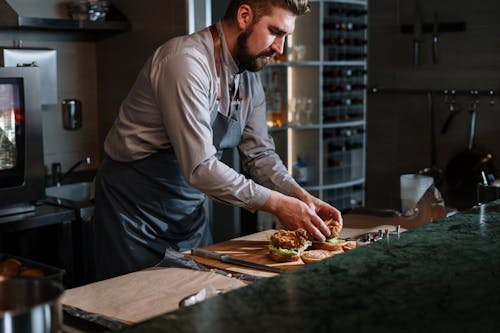
photo credit: Cottonbro Studio / Pexels
Key Takeaways
- Operational systems, not aesthetics, determine whether a restaurant runs efficiently and profitably.
- Hidden cost centers like inventory waste and oil management can significantly impact margins over time.
- Cross-trained teams and sustainable work environments help reduce burnout and improve retention.
- Modern restaurant leadership requires strategic thinking, data utilization, and long-term planning.
- Effective technology adoption focuses on integration and solving real operational challenges.
The restaurant business has always been a balancing act, but lately it feels more like juggling knives while someone keeps turning up the heat. Costs are unpredictable, labor is tight, and customers expect a seamless experience whether they are dining in, grabbing takeout, or ordering from their couch at 9:47 PM. Still, the operators who are paying attention to the right details are not just surviving, they are building something that actually lasts.
There is a shift happening, and it is not about chasing trends or copying whatever went viral last week. It is about tightening operations, making smarter decisions behind the scenes, and understanding that what happens out of sight often determines whether a restaurant thrives or quietly bleeds money.
Operations That Actually Work
The difference between a restaurant that feels effortless and one that constantly feels behind usually comes down to systems. Not fancy tech for the sake of it, but processes that people can follow even on a slammed Saturday night. When kitchens run clean and consistent, everything else starts to fall into place.
This is where many operators get tripped up. They invest in branding, menus, and aesthetics, but the back end stays messy. Inventory is off, prep is inconsistent, and waste creeps in slowly enough that it does not set off alarms until margins are already hurting.
Strong operators look at their kitchen like a production line, not in a cold way, but in a way that respects time, movement, and consistency. When you walk into a well-run kitchen, you can feel it. There is rhythm. There is clarity. Nobody is guessing what comes next.
The Hidden Cost Centers
Restaurants lose money in places most guests will never think about, and that is exactly why these areas matter so much. One of the biggest offenders is something as unglamorous as oil usage. It sounds small until you realize how quickly it adds up across weeks and months.
That is why hiring a company that handles cooking oil management systems is a must for operators who want tighter control over costs. These systems do more than store and dispose of oil. They help monitor usage, reduce waste, and create a safer, cleaner kitchen environment. It is not the kind of upgrade that shows up on Instagram, but it shows up on the balance sheet.
Waste in general tends to hide in plain sight. Over-ordering, spoilage, and inefficient prep routines quietly chip away at profits. The restaurants that stay ahead treat these issues like serious business, not minor annoyances. They track, adjust, and keep tightening the loop until there is very little left to fix.
Labor Without Burnout
Staffing has become one of the most complicated parts of running a restaurant, and throwing more people at the problem rarely works. What does work is building a team that understands the flow of the operation and can move with it.
Cross-training has become less of a bonus and more of a necessity. When team members can step into different roles without hesitation, the entire operation becomes more resilient. It also creates a sense of ownership that you cannot fake. People who understand the bigger picture tend to care more about how things run.
There is also a cultural shift happening. The old model of pushing staff to exhaustion is losing ground, and for good reason. Burnout leads to turnover, and turnover is expensive in ways that go beyond hiring costs. It disrupts consistency, affects service, and puts pressure on the remaining team.
Restaurants that are figuring this out are not necessarily offering extravagant perks. They are offering clarity, structure, and a work environment that feels sustainable. That alone can be a competitive advantage.
Leadership Beyond The Floor
Running a restaurant today requires a level of leadership that goes well beyond managing a shift. The role has evolved into something closer to a business strategist who happens to operate in a fast-paced, customer-facing environment.
The modern restaurant CEO is not just thinking about menu pricing or daily sales. They are looking at supply chains, technology integration, brand positioning, and long-term scalability. They are asking questions about how the business performs when they are not physically present, which is where many operations reveal their weaknesses.
There is also a growing awareness that data matters, but only if it is actually used. Sales reports, labor metrics, and customer feedback are everywhere, yet they are often ignored or misunderstood. The leaders who stand out are the ones who can take that information and turn it into decisions that make the business stronger.
It is less about reacting and more about anticipating. The operators who can see patterns early, whether it is a shift in customer behavior or a rise in costs, have a much better chance of staying ahead instead of scrambling to catch up.
Technology That Makes Sense
Technology in restaurants has gone from optional to unavoidable, but that does not mean every tool is worth the investment. The smartest operators are selective. They are not chasing every new platform or feature. They are choosing tools that actually solve problems.
Online ordering systems, kitchen display screens, and reservation platforms have all become part of the standard toolkit, but the key is integration. When systems talk to each other, the operation feels smoother. When they do not, they create more work than they save.
There is also a growing emphasis on customer-facing tech that does not feel intrusive. Guests want convenience, but they still want a human experience. The challenge is finding that balance, where technology supports the experience instead of replacing it.
Restaurants that get this right tend to feel modern without feeling cold. Orders move faster, errors drop, and staff can focus more on the guest instead of fighting with clunky systems.
The restaurants that are holding strong right now are not relying on one big idea. They are stacking small, smart decisions that build on each other. Clean operations, controlled costs, steady staffing, thoughtful leadership, and practical technology all work together in a way that is hard to fake.
It is easy to get distracted by trends, especially in an industry that moves as quickly as this one. But the fundamentals still matter, maybe more than ever. When those are handled well, everything else has a chance to work.
FAQs
What is the biggest factor in running a successful restaurant today?
Strong operational systems are the foundation of success, ensuring consistency, efficiency, and the ability to handle peak demand without breakdowns.
Where do restaurants typically lose money without realizing it?
Restaurants often lose money through hidden inefficiencies like food waste, over-ordering, spoilage, and unmanaged resources such as cooking oil.
How can restaurants reduce employee burnout?
Cross-training staff, creating structured workflows, and maintaining a sustainable work environment help reduce stress and improve retention.
What role does leadership play in modern restaurant operations?
Leadership now extends beyond daily management to include strategic planning, data-driven decision-making, and long-term business optimization.
How should restaurants approach technology investments?
Restaurants should prioritize tools that integrate well with existing systems and directly address operational challenges rather than chasing trends.