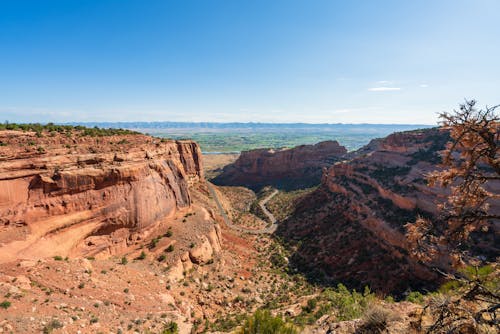
photo credit: Frank Schrader / Pexels
Key Takeaways
- Utah’s Red Rock Country requires more travel time and logistical planning than many first-time visitors expect.
- Desert heat, dry air, and uneven terrain can make short hikes more physically demanding than they appear.
- Carrying sufficient water, snacks, and offline navigation tools helps visitors handle delays and remote conditions safely.
- Early starts and realistic itineraries improve comfort, reduce stress, and allow more time to explore safely.
- Proper footwear, layered clothing, and staying on marked trails support both visitor safety and environmental protection.
Brett LaChappelle is a recreation professional and certified life coach based in Two Rivers, Wisconsin, with more than seven years of experience in parks and recreation leadership. Brett LaChappelle has planned and managed community programs, trained staff, and supported recreational initiatives for individuals of all ages.
His background in outdoor programming and personal interest in travel, including exploring Utah, connects directly to the practical considerations involved in visiting remote natural environments. In addition to his professional work, he has volunteered with organizations such as The Salvation Army and The Haven Men’s Homeless Shelter, and has participated in hurricane relief efforts.
His experience in recreation planning and outdoor engagement aligns with the type of preparation and awareness needed when visiting Utah’s Red Rock Country.
Preparing for a Visit to Utah’s Red Rock Country
Utah’s Red Rock Country contains desert landscapes in the southern part of the state. These surround parks, monuments, and public lands with sandstone cliffs, canyons, and open terrain. Most areas are remote and widely spaced. First-time visitors often overlook how much preparation, timing, and realistic expectations about distance affect the day.
Map distance often hides how long the trips will actually take. Roads through desert country can be slower than visitors expect, especially where routes are remote, winding, or designed for low speeds. Destinations that seem close on a map can require hours of driving because direct roads do not always connect the areas visitors want to see. A visitor might look at two overlooks on a map and assume both fit easily into one afternoon, only to realize that the long drive leaves only a short stop at each.
Heat can shorten how long a visitor stays comfortable outdoors. In these desert areas, direct sun, dry air, and hot ground can make midday feel much hotter than the temperature alone suggests. Low humidity also allows stronger solar radiation. This adds stress even before a walk feels strenuous. The season, forecast, and the hottest hours of the afternoon should shape how much walking a visitor plans.
Even at mild temperatures, the ground poses challenges. Short trails can feel long if they cross sand, sandstone slabs, or uneven ground at viewpoints. Many trails require careful attention because they cross open rock rather than clear paths. Distance alone cannot tell visitors how tiring a walk will be.
Water and food also matter as basic logistics. Since a short outing can take longer than planned, carrying enough water and a small amount of food helps a visitor handle delays, extra walking, or a slower return. This prevents scrambling for supplies.
Navigation needs planning just as much as water, timing, and supplies. In remote areas, phone service can disappear, and a missed turn becomes harder to correct when live directions stop working. Some Utah park areas also lack Wi-Fi, so visitors cannot assume they will reconnect once service drops. Visitors usually have a smoother trip when they know the route, the trail access point, and the return drive before leaving the main road.
Clothing and footwear affect comfort in practical ways, not just aesthetic ones. Closed-toe shoes with good tread give better support and traction on rocky or uneven ground. Light layers help visitors adjust to cool mornings, hot afternoons, and wind. This makes it easier to stay comfortable without complicated gear.
Start time matters too. An early start leaves more time for a slower-than-expected drive and helps visitors walk more during cooler hours. That margin matters even on a simple itinerary because desert stops rarely move as quickly as they look on paper. Marked trails and roads guide visitors, protect fragile environments, and keep visitors on course in unfamiliar terrain.
A manageable plan usually makes the day go more smoothly in Red Rock Country. Choosing stops that fit the available driving time, walking time, and daylight helps visitors avoid rushing from one place to the next. That pacing leaves more time to follow the route carefully, take breaks when needed, and complete the outing without unnecessary stress.
FAQs
Why do travel times in Utah’s Red Rock Country often take longer than expected?
Many roads through desert regions are winding, remote, or designed for lower speeds, which increases travel time between destinations. Even locations that appear close together on a map may require hours of driving due to indirect road connections and terrain.
What is the best time of day to explore Utah’s desert landscapes?
Early morning is usually the best time because temperatures are cooler and sunlight is less intense. Starting early also gives visitors more flexibility if hikes or drives take longer than originally planned.
Why is carrying extra water important in Red Rock Country?
Dry desert air, strong sun exposure, and heat can quickly lead to dehydration, even during short walks. Carrying extra water helps visitors stay prepared for delays, longer hikes, or unexpected conditions in remote areas.
Do visitors need offline navigation tools in Utah’s remote parks?
Yes, phone service and Wi-Fi can disappear in many remote areas, making live navigation unreliable. Downloaded maps, printed directions, or GPS devices help visitors stay on route when connectivity is limited.
What kind of footwear is recommended for Red Rock Country?
Closed-toe shoes with strong grip and tread are recommended because trails often include sand, slickrock, and uneven terrain. Proper footwear improves traction, stability, and overall comfort during hikes and walks.
Why is it important to stay on marked trails in desert environments?
Marked trails help visitors avoid getting lost in unfamiliar terrain and reduce the risk of accidents on exposed rock surfaces. Staying on designated paths also protects fragile desert ecosystems from unnecessary damage.
About Brett LaChappelle
Brett LaChappelle is a recreation superintendent and certified life coach based in Two Rivers, Wisconsin. He has experience leading parks and recreation programs, training staff, and supporting community initiatives. His background includes roles with the City of Two Rivers and Hope Church, along with volunteer work for organizations such as The Salvation Army. He studied sports medicine at Brigham Young University and has completed certifications in life coaching and biblical counseling.