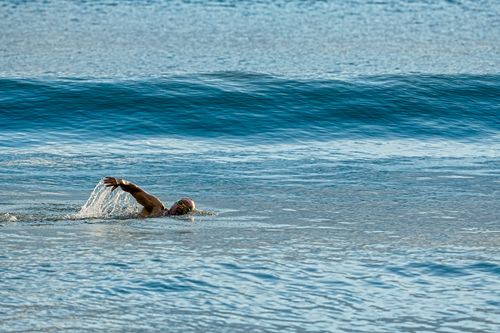
photo credit: Luiz Xavier / Pexels
Key Takeaways
- Ocean swimming can provide a low-impact, full-body workout while supporting cardiovascular fitness, physical health, and mental well-being.
- Swimming in natural environments may offer additional psychological benefits by combining physical activity with exposure to nature and open water.
- Ocean swimmers must account for changing weather, tides, currents, and other conditions that make open-water swimming less predictable than swimming in a pool.
- Swimmers should avoid going alone, tell others about their plans, and learn how to respond safely to hazards such as rip currents.
- Cold-water swimmers should recognize signs of cold stress, including rapid breathing, shivering, and panic, and leave the water promptly when necessary.
Lara Karakasevic, also known as Lara Ann Castle, is a longevity cleanse specialist and living food chef who has held leadership roles across the food service and wellness industries, including as the former owner of a Napa Valley juice bar and the youngest general manager in the history of San Francisco’s San Remo Hotel. Since founding The Living Food Mission in 2019, Lara Karakasevic has served as education director, leading regenerative detoxification and culinary wellness retreats that teach clients about the body’s self-healing nature and combine nutrition education with mental, physical, and spiritual wellness. She partnered with Boys and Girls Clubs in Northern California on a healthy habits program before relocating her business to Kamuela, Hawaii, in 2025.
A board-certified holistic health practitioner with a hospitality management degree from the University of San Francisco, she brings a wellness lens to everyday health topics, including ocean swimming safety.
Research shows that less than half of the adults in the United States meet the Centers for Disease Control and Prevention’s guidelines for aerobic physical activity. This includes the roughly 22 percent of Americans who lead completely sedentary lifestyles, meaning they engage in no physical activities beyond what is required by their jobs.
Swimming is a great, low-impact, full-body physical activity for Americans who want to increase their physical activity levels. In addition to working out nearly every major muscle group in the body, swimming improves cardiovascular health, helps with weight management, and can mitigate the symptoms of chronic back pain and arthritis.
Individuals can magnify the physical and mental health benefits of swimming by moving from an indoor pool to outdoor settings, including the open ocean. Swimming in the sea provides the body and mind with several benefits.
For example, the vitamins and minerals in seawater act as natural cosmetics that support skin health. Seawater can be an excellent treatment for psoriasis, eczema, and stress-related skin conditions. Seawater can also provide relief from sinus issues.
Various studies have described the mental health benefits of swimming in the ocean. Hydrotherapy is an effective treatment for anxiety and depression symptoms, while swimming in deep, cold water supports mindfulness, similar to meditation.
Research published by Swim England found that 43 percent of individuals who swim regularly feel happier because of it. More broadly, spending time in nature reduces stress and depression.
Additional benefits of swimming in the ocean range from a stronger immune system to improved sleep.
Although swimming in the ocean supports psychological and physical wellness, it can also present certain challenges and dangers. Swimmers need to take several steps to ensure their safety while swimming in open waters.
Unlike indoor pools, the ocean is not a controlled environment. Swimmers must account for a range of water conditions. Individuals must constantly check weather reports and tide charts to avoid swimming when it is not safe to do so.
Furthermore, never go swimming alone, especially in the open ocean. Beyond swimming in pairs or groups, individuals should always notify friends, family, and local authorities of their plans.
Even if a person is well-informed and familiar with a local swimming spot, conditions can change in a matter of seconds. Swimmers need to develop strategies for dealing with common challenges, such as rip currents.
A rip current is a narrow channel of water defined by a powerful current moving from land out to sea. Swimmers need to escape these currents before they get pushed too far out, but must also avoid exhausting themselves by swimming directly against the current.
Instead, they need to swim back toward shore at an angle that is parallel to the shoreline, essentially escaping from the side of the current.
Finally, while swimming in cold water can benefit the body and mind in several ways, exceptionally cold water can lead to shock and hypothermia. Depending on location and time of year, swimmers may need to invest in a quality wetsuit.
If a person finds themselves taking deep, rapid breaths, shivering, or feeling overcome by a sense of panic, they should exit the water and warm their bodies immediately.
FAQs
What are the health benefits of ocean swimming?
Ocean swimming provides a low-impact, full-body form of exercise that can support cardiovascular fitness, muscle conditioning, and weight management. Swimming and spending time in nature may also contribute to mental well-being, stress reduction, and improved mood.
Is ocean swimming safe for everyone?
Ocean swimming can be enjoyable and beneficial, but open water presents hazards that are not found in controlled swimming pools. Weather, tides, currents, water temperature, and individual swimming ability should all be considered before entering the ocean.
What should swimmers do if they encounter a rip current?
Swimmers caught in a rip current should avoid trying to swim directly against the current because doing so can quickly cause exhaustion. Instead, they should remain calm and swim parallel to the shoreline to move out of the current before heading back toward shore.
Why should people avoid swimming alone in the ocean?
Ocean conditions can change quickly, and even experienced swimmers can encounter unexpected currents, weather, or physical difficulties. Swimming with others and telling friends, family, or appropriate local authorities about your plans provides an additional layer of safety.
How can swimmers stay safe in cold ocean water?
Cold water can cause rapid breathing, cold shock, shivering, and potentially hypothermia, particularly when exposure is prolonged. Depending on the conditions, swimmers may need appropriate protective equipment such as a wetsuit and should leave the water immediately if they experience concerning symptoms.
About Lara Karakasevic
Lara Karakasevic, also known as Lara Ann Castle, is a longevity cleanse specialist, living food chef, and board-certified holistic health practitioner. She founded The Living Food Mission in 2019, where she serves as education director leading wellness retreats and culinary programs across Hawaii and beyond. Her background includes leadership roles at San Francisco’s San Remo Hotel and ownership of a Napa Valley juice bar. Karakasevic holds a hospitality management degree from the University of San Francisco.