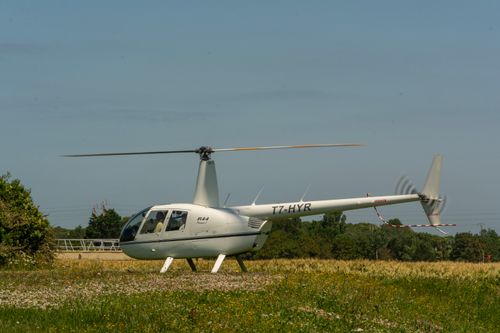
photo credit: Jan Van Der Wolf / Pexels
Key Takeaways
- Safe helicopter landings begin with a thorough assessment of the touchdown area, approach and departure paths, surrounding obstacles, and available clearance.
- Pilots must consider the helicopter’s dimensions, rotor system, landing gear, and performance rather than judging a landing site by the size of the visible touchdown area alone.
- Wind, terrain, surface conditions, and nearby structures can significantly affect approach, hovering, takeoff, and climb performance.
- People and loose objects around a landing site can create serious hazards because rotor wash can move debris and spinning rotors leave limited room for movement.
- Landing decisions should be reassessed throughout the approach so pilots can wait, reposition, go around, or select another site when conditions change.