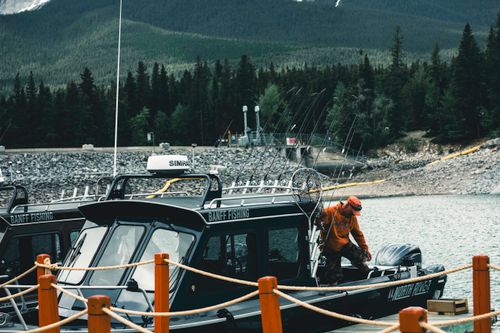
Jayne P. Hammond: Why Boat Fuel Planning Takes More Than Topping Off a Tank

Boat fueling

photo credit: Ali Kazal / Pexels

Key Takeaways

  • Boat fuel planning is about completing the entire trip safely, not simply having enough fuel to reach the destination.
  • The U.S. Coast Guard recommends the one-third rule: one-third of the fuel for going out, one-third for returning, and one-third held in reserve.
  • Weather, sea conditions, passenger and gear load, route changes, and return conditions can all affect a boat’s fuel requirements.
  • A fuel gauge should be treated as one piece of information rather than a substitute for route planning and a reserve.
  • A good float plan and a realistic fuel margin can prevent an ordinary range problem from becoming a much more serious situation on the water.
…Continue reading →

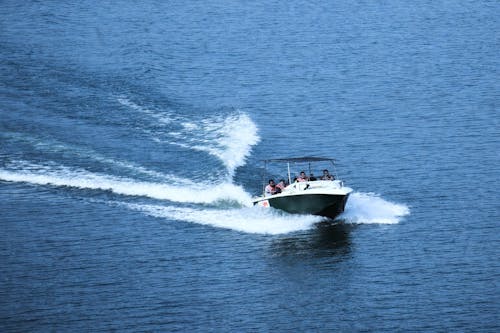
Ellis Abramson: Important Boating Rules and Regulations for Safer Time on the Water

Boating

photo credit: Sayan Samanta / Pexels

Key Takeaways

  • Boating safety begins with understanding and following local, state, and federal regulations, which can vary by location.
  • Basic navigation rules, such as maintaining safe speed, keeping a proper lookout, and yielding appropriately, are essential for preventing accidents.
  • All boats must carry required safety equipment, including life jackets, signaling devices, and fire extinguishers, depending on vessel type and size.
  • Boating under the influence is illegal and significantly increases the risk of accidents and injuries on the water.
  • Completing a boating education course can improve safety awareness and is often required to obtain a boating license.
…Continue reading →