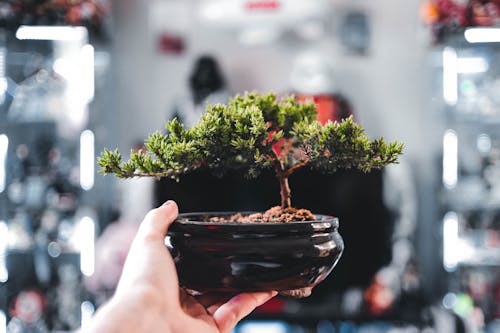
photo credit: Erik Mclean / Pexels
Key Takeaways
- Juniper, ficus, and Chinese elm are ideal beginner bonsai trees because they are resilient and easier to maintain.
- Indoor and outdoor bonsai require different conditions, so choosing the right species for your setting is essential.
- Strong roots, proper watering, and adequate light are more important than shaping during the early stages.
- Bonsai trees should be watered when the top layer of soil feels slightly dry rather than on a fixed schedule.
- Bonsai development takes time, rewarding growers who practice consistency and gradual refinement.
Matthew Teltser, MD, is a former cardiologist whose medical career spanned more than three decades, including leadership and clinical roles across Florida. Alongside his work in preventive cardiology, lipidology, hypertension, and nuclear cardiology, he has cultivated a long-standing interest in bonsai tree cultivation. Matthew Teltser has been active with organizations such as the Gulf Coast Bonsai Society and the Broward Bonsai Society, reflecting his appreciation for the patience and precision involved in bonsai care. His background as a physician and educator, combined with his personal enthusiasm for bonsai, provides practical insight into the steady attention and discipline that beginners can apply when learning this rewarding hobby.
Outside of medicine and bonsai, he also enjoys jazz and classical music, fine wines, and specialty coffee roasting.
A Beginner’s Guide for Bonsai Enthusiasts
Bonsai has a way of capturing attention. A small tree, carefully shaped over time, can suggest age, balance, and quiet intention. For beginners, though, the appeal is often matched by uncertainty. Choosing the right first tree and avoiding a few common mistakes can make the difference between frustration and a deeply rewarding hobby.
The first step is selecting a suitable tree. Many beginners are drawn to delicate or exotic species, but these are often the hardest to maintain. A better approach is to start with a hardy, forgiving plant. Species such as juniper, ficus, and Chinese elm are popular for good reason. They tolerate a range of conditions and are more resilient when care is less than perfect. Just as important is choosing a tree that matches your environment. Indoor bonsai, like ficus, do well in stable temperatures and moderate light, while outdoor varieties, such as juniper, require seasonal changes and fresh air to thrive.
It is also wise to begin with a tree that is already somewhat developed. While growing a bonsai from seed can be appealing, it requires years of patience before the tree takes on a recognizable form. A nursery-grown starter plant or pre-bonsai allows you to focus on shaping and care rather than waiting for basic structure to develop. This makes the learning process more engaging and immediate.
Watering is one of the most common challenges. Bonsai trees are planted in small containers, which means they dry out more quickly than typical houseplants. At the same time, overwatering can damage roots and lead to decline. The key is to check the soil regularly and water when the top layer begins to feel slightly dry. Rather than following a fixed schedule, it is better to respond to the tree’s needs, which vary with season, temperature, and humidity.
Light is another critical factor. Most bonsai require more light than people expect. Placing a tree in a dim corner is a common mistake that leads to weak growth and poor health. Indoor trees should be near a bright window, while outdoor trees need appropriate exposure to sunlight, depending on the species. Understanding these basic requirements early on can prevent many problems.
Pruning and shaping are what give bonsai their distinctive appearance, but beginners often worry about doing too much or too little. In reality, most hardy species respond well to careful pruning. Removing excess growth helps maintain proportion and encourages branching. The key is to make small, thoughtful cuts and observe how the tree responds over time. Bonsai is not about instant results but gradual refinement.
Another common mistake is focusing too much on aesthetics too soon. While it is tempting to shape the tree into a dramatic form right away, health should always come first. A strong root system, proper watering, and adequate light are the foundation of any successful bonsai. Styling becomes easier and more satisfying when the tree is thriving.
Patience is perhaps the most important lesson bonsai teaches. Growth happens slowly, and changes may take months or even years to become visible. For many people, this is part of the appeal. Caring for a bonsai encourages attention, consistency, and a willingness to work with nature rather than against it.
Starting with the right tree and a clear understanding of basic care can transform bonsai from an intimidating pursuit into an enjoyable, long-term practice. With time, even a beginner can develop both skill and confidence, and the small tree on the table becomes something much more meaningful.
FAQs
What is the best bonsai tree for beginners?
Juniper, ficus, and Chinese elm are widely recommended for beginners because they are hardy, adaptable, and easier to maintain than more delicate species. These trees tolerate minor mistakes in watering or pruning, making them ideal for people learning basic bonsai care techniques.
How often should a bonsai tree be watered?
Bonsai trees should be watered when the top layer of soil begins to feel slightly dry rather than according to a fixed schedule. Environmental factors such as sunlight, humidity, temperature, and season all affect how quickly the soil dries out.
Can bonsai trees grow indoors?
Some bonsai species, such as ficus, grow well indoors when placed near bright windows with stable temperatures and adequate light. Outdoor species like juniper generally require seasonal weather changes and fresh air to remain healthy over time.
Is pruning difficult for beginner bonsai growers?
Most beginners can successfully prune bonsai by making small, careful cuts and observing how the tree responds over time. Gradual shaping helps maintain balance and encourages healthy branching without overwhelming the plant.
How long does it take to develop a bonsai tree?
Bonsai cultivation is a long-term process, and noticeable changes in shape and structure may take months or even years to develop. Many enthusiasts find that the slow pace is part of what makes bonsai both relaxing and rewarding as a hobby.
About Matthew Teltser
Matthew Teltser, MD, is a former cardiologist with more than 30 years of experience in preventive care, hypertension, lipidology, and nuclear cardiology. An American College of Cardiology fellow, he practiced throughout Florida and led the University Heart Institute in Pembroke Pines. In addition to his medical background, Dr. Teltser is active in bonsai organizations including the Gulf Coast Bonsai Society and the Broward Bonsai Society. He also enjoys specialty coffee roasting, jazz, and classical music.